I have had some shit the last couple weeks. Literally and figuratively. My dad died two days ago. And a couple weeks back I was cleaning up a poop disaster and regretting that I encouraged the pooper to eat fiber the day prior. My dad was not the pooper. So, for now I have some pretty pictures from Garden of the Gods. The words aren’t here yet.
As a massive Kerouac fan, I was excited to visit Big Sur, the setting of Kerouac’s book of the same title. Kerouac’s epic descriptions of crossing Bixby Bridge had me captivated. And even though Kerouac was in the last stages of his surrender to alcohol when he wrote his last book, his appreciation for the natural landscape shined through all his episodes with DTs.
I thought I would make the trip to Big Sur during my time in Seattle. But my months there filled too quickly with hiking day trips, and work and personal trips out of town. As a birthday treat, Jeannine booked us a cabin there and some flights. Although I assumed this would be a trip I would take on my own, it’s clear I thought no one would have interest in joining me rather than a wish for solitude. The number of other Kerouac fans that I’ve known can be counted on one hand. And the intersection between close friends and Kerouac fans yields exactly one.
We flew into San Francisco for a couple of days. Since we have both been there often enough to have exhausted all the typical tourist destinations, we took leisurely strolls across the city looking for some delicious food and enjoyable parks. Food find of note: Tartine is not to be missed.
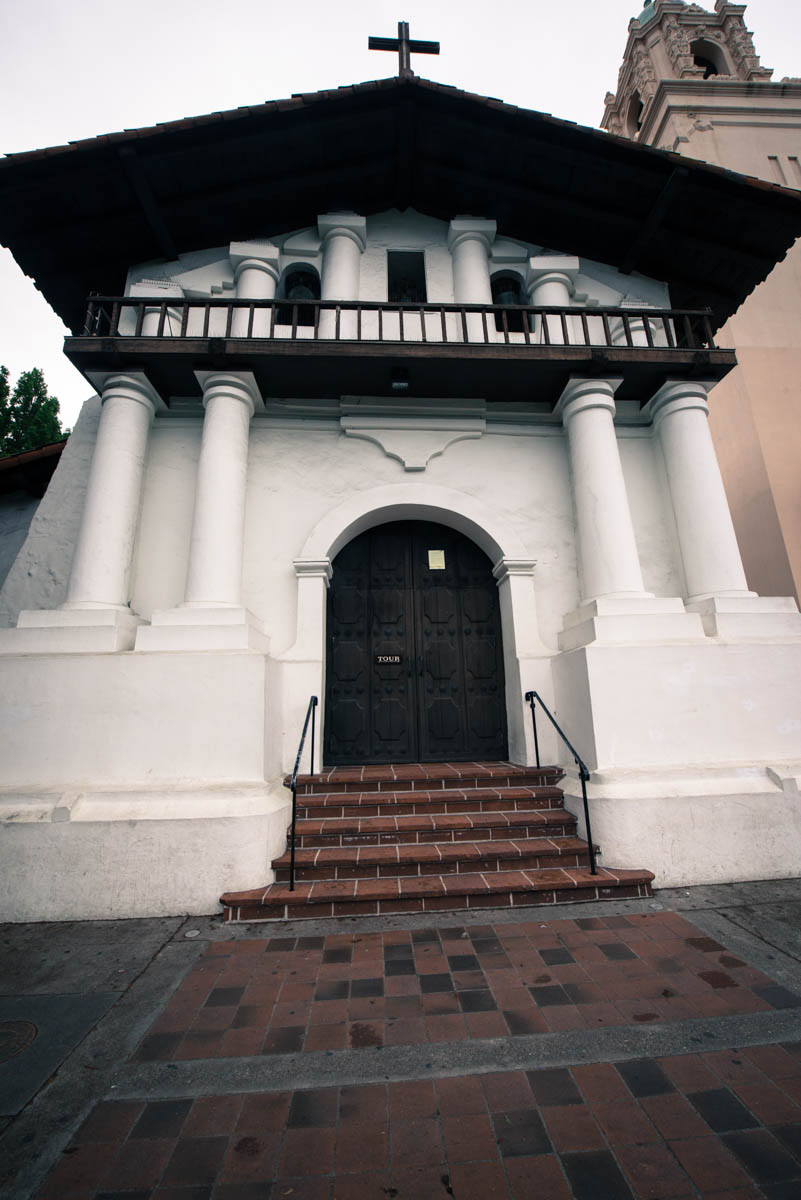
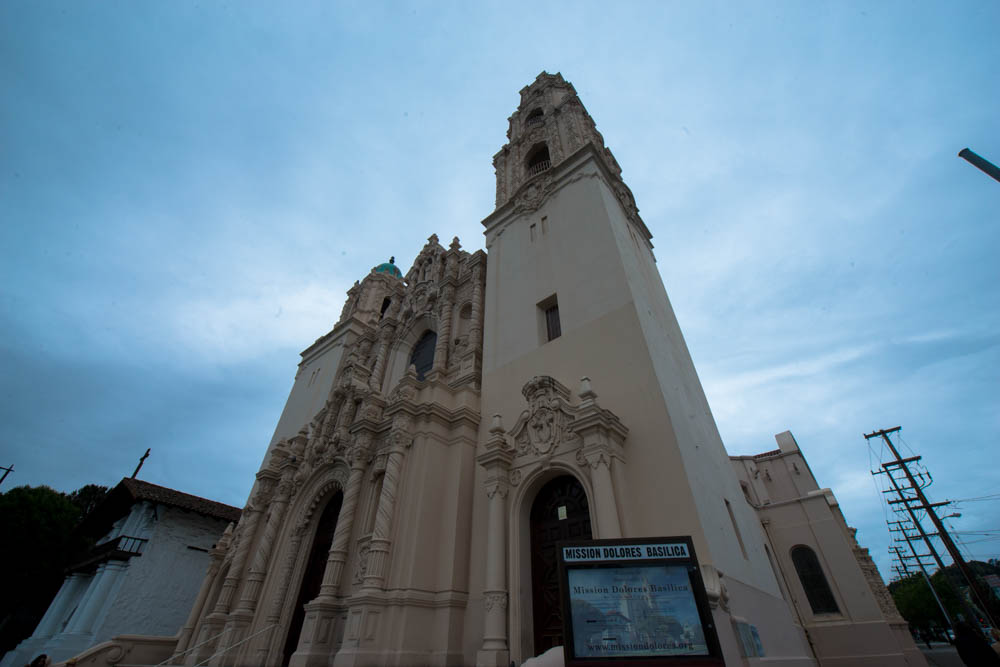
We declined the entrance fee to the San Francisco Mission, but the outside of the old church was anachronistic in The Mission and worth a look. We were lured away by the people walking by with free Noosa yogurt. Our desire to seek this out was admittedly silly. Unless eaten immediately the yogurt would have gone to waste in our bags without refrigeration for the duration of the afternoon. This low-key vacation was made for following random impulses though, so the Noosa distraction led to a street fair.
The only mildly tourist activities we engaged in were visits to The Beat Museum and Visuvios. The Beat Museum was, well, beat. It was rundown and lacking in much paraphernalia apart from a number of Allen Ginsberg’s photographs that I have seen reproduced numerous times. Yet I was surrounded by a period and culture that has fascinated me for much of my adult life, so I was pleased none the less. With Visuvios just kitty corner to the museum , it felt wrong not to stop in.
The AirBNB place that we stayed in was super. Matt and Jeff were lovely hosts. Give them a look if you are ever travelling there.
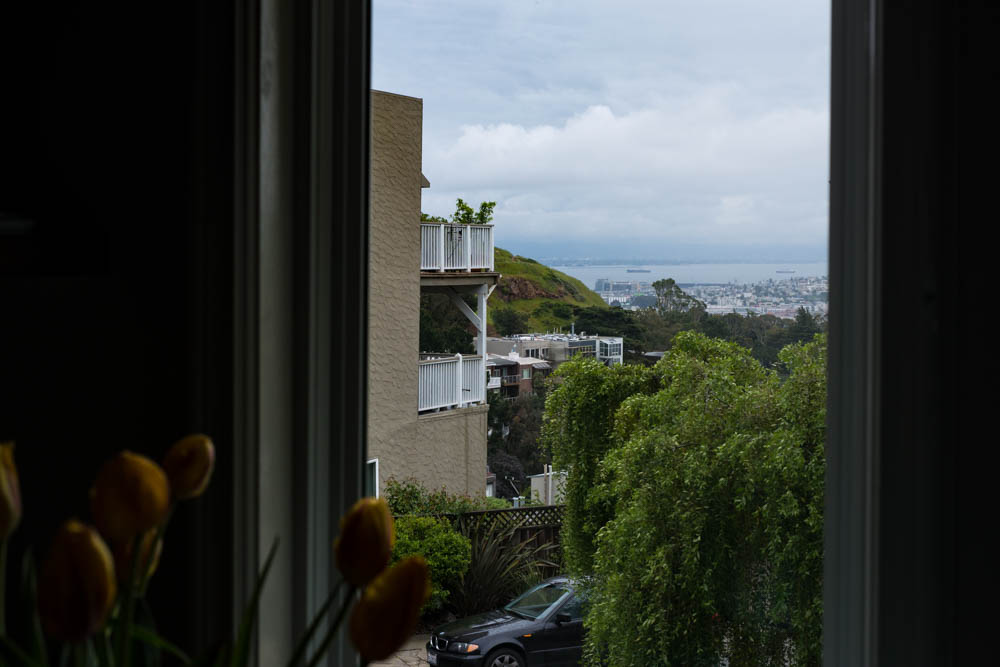
This was the view from our Air BNB room. Even with an overcast day it was sublime.
Vulcan Steps are lovely and should be explored. This is among its gems that appeals to my inner five year old.
Delores Mission. We could have paid 5 bucks to get in here. But I didn’t think The Pope needed my money. We bought pastries instead. I still feel good about out choice.
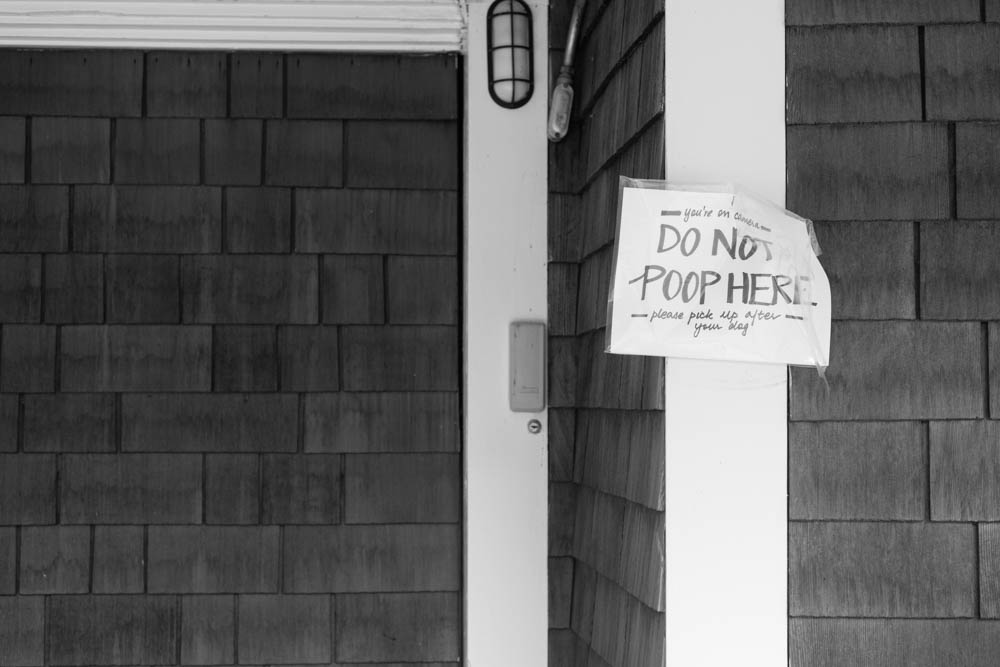
This is opulent. The signed on the door say no trespassing. Opulent and off limits.
Weird to have that monster right next to the humble Spanish mission.
Abandoned bike locks. The key gets lost or the bike gets incapacitated. Then what?
But it looks so inviting.
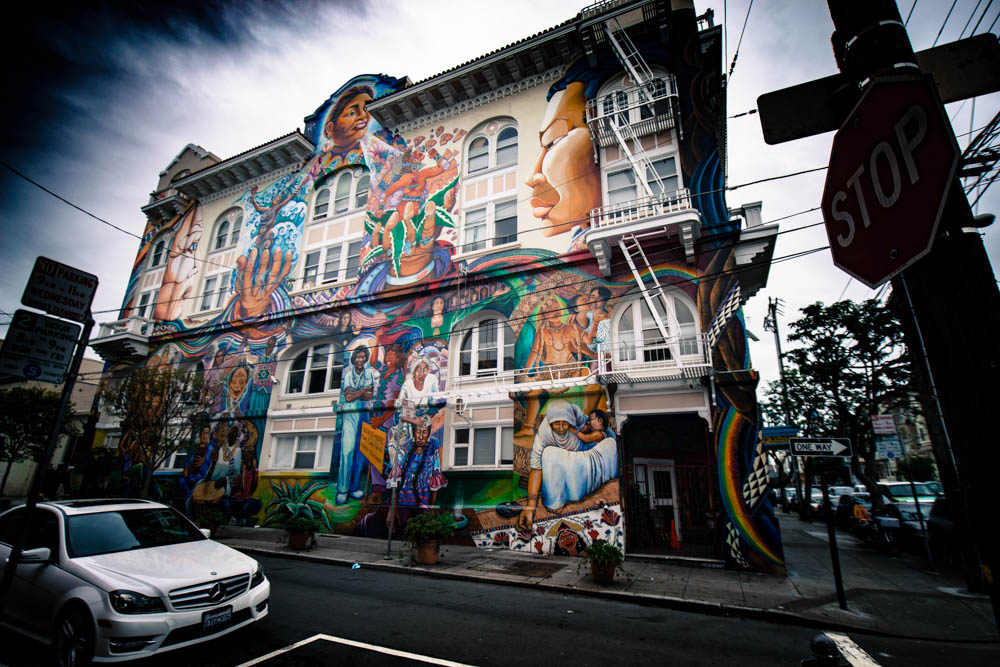
El edificios de mujares indeed. A building of women, directly and poorly translated.
Yep. That’s a woman with a baby in her baby-maker up top. I am a feminist. I’m just not so sure we need to be so explicit about it.
Delores Park. Yes. It’s lovely.
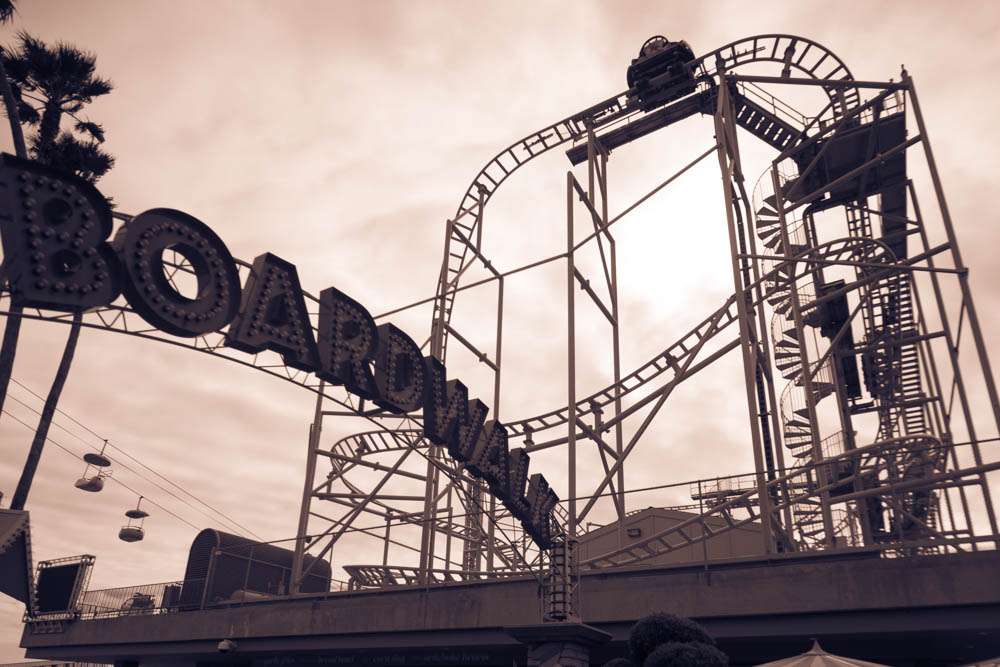
Santa Cruz boardwalk is like Coney Island but more bright and sparkly and less used needles and grime.
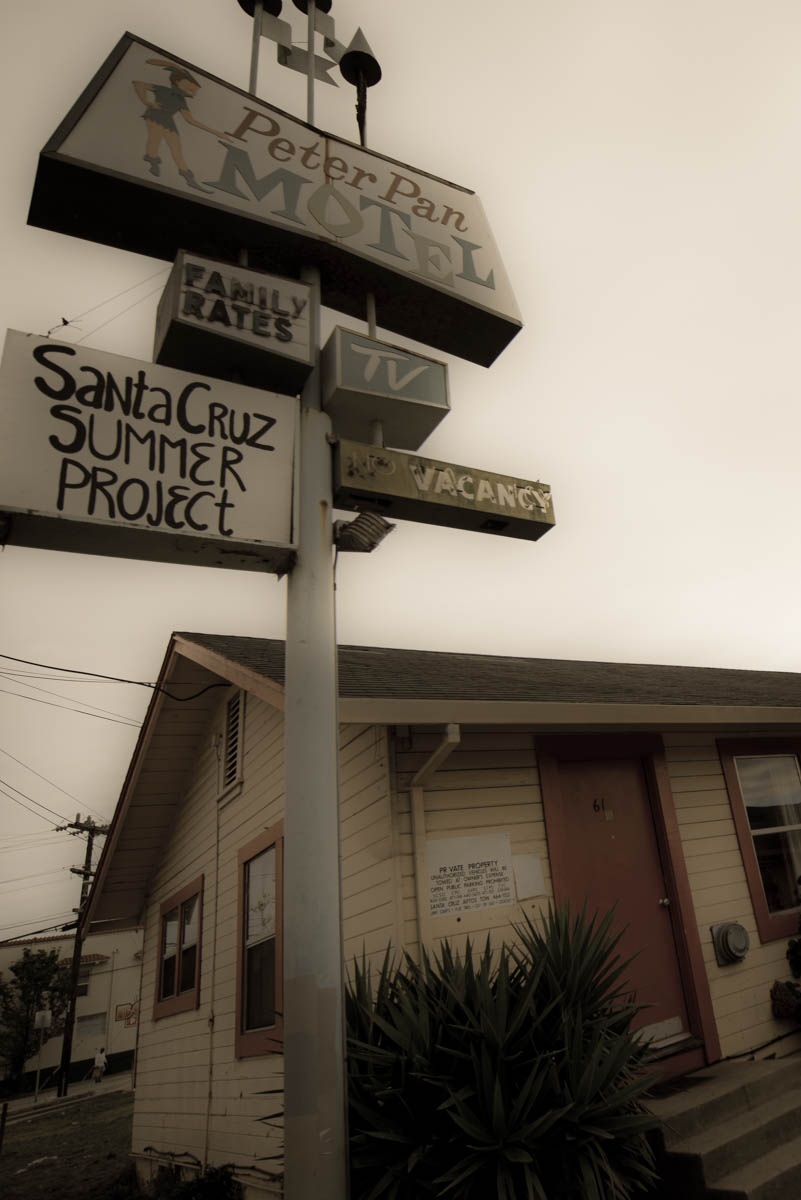
Oh, hey 50’s motel. THEY HAVE TV!! Which of course you need when you vacation at the beach.
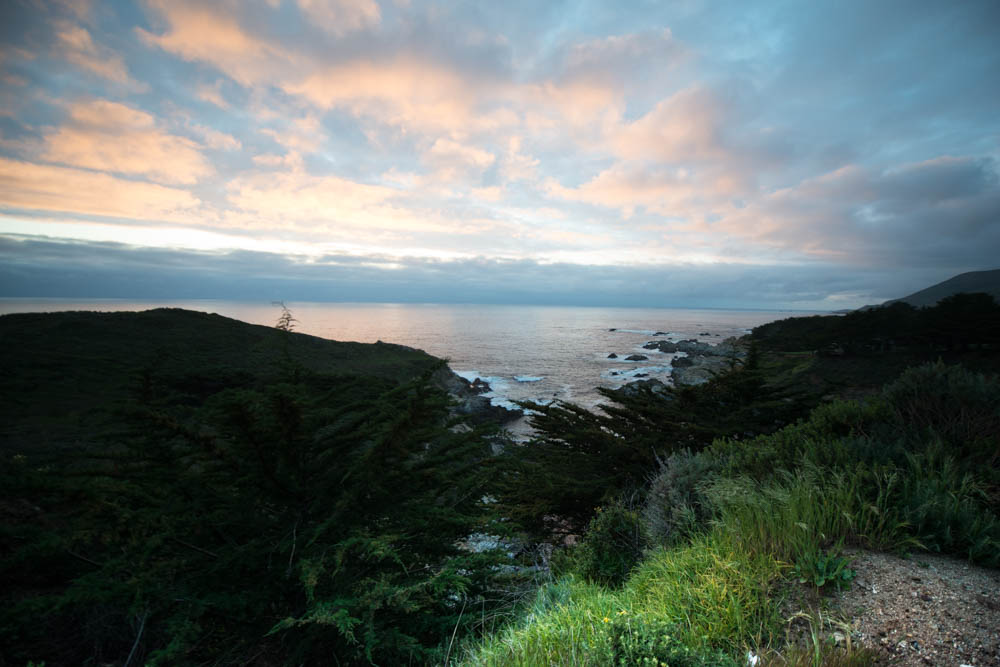
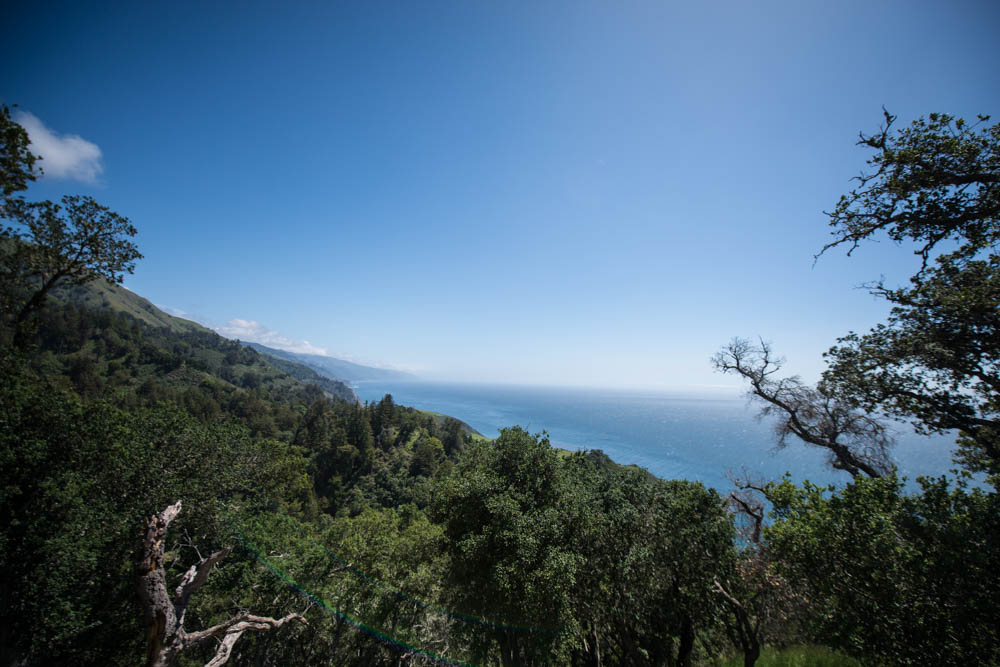
Some random beauty from one of the many pull-offs on Highway 1. Seriously, it looks like that about half the time. When you aren’t seeing that you are seeing verdant hills and pastures.
We stayed at a wonderful cabin south of Carmel. It’s a little ramshackle place tucked into the side of a hill, filled with color furniture and fixtures that captivated the child in me. After we hiked up the hill, we were treated to a couple of days in this.
This slideshow requires JavaScript.
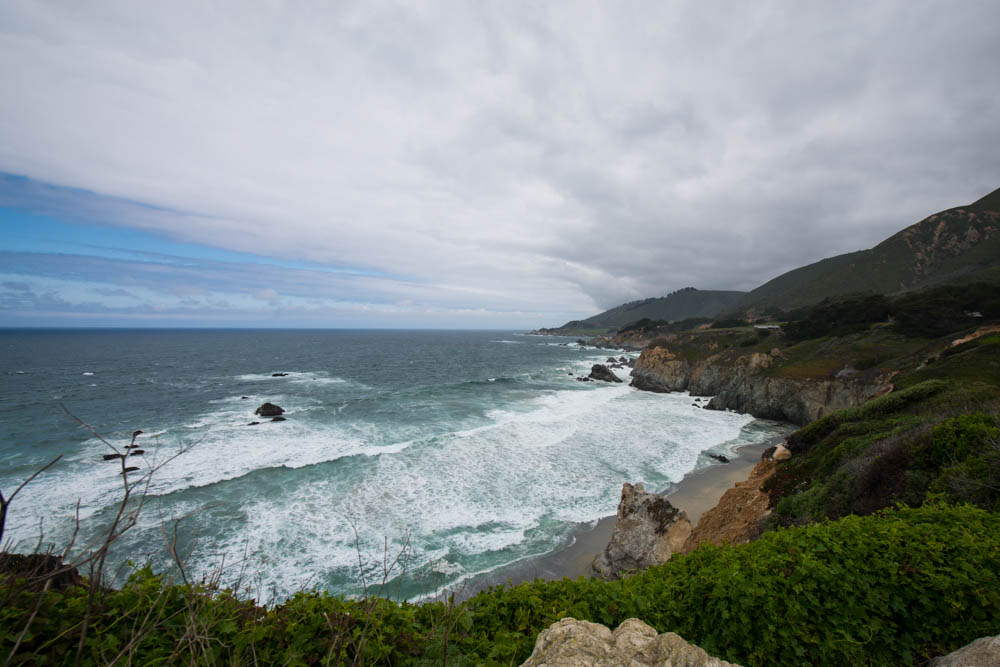
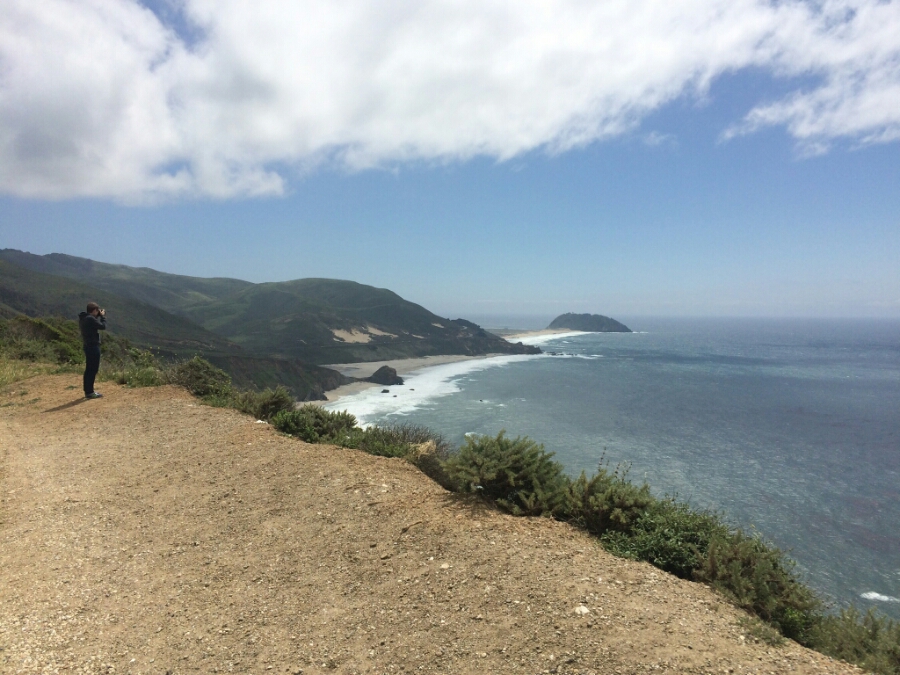
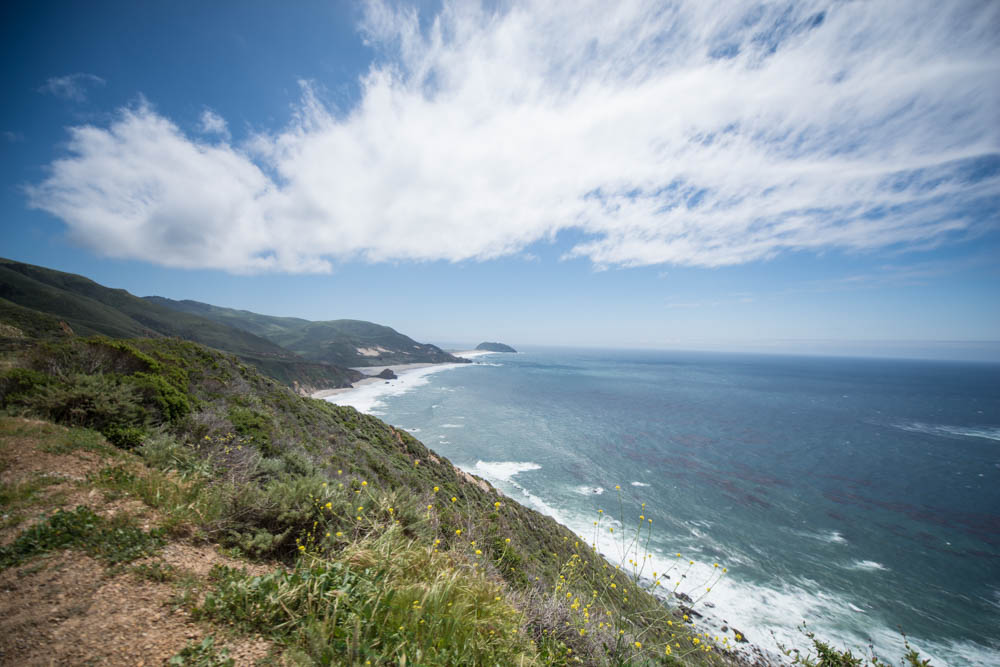
The Pacific coast close to Big Sur.
What can I say about Big Sur that the pictures don’t? Nothing except it was everything and nothing that I thought it would be. It was just as intoxicating and raw as Kerouac described it. Like Kerouac I expected this pilgrimage to be a reaffirmation of the ways in which I am alien in this world. What a wonderful surprise that I found this place full of awe and gratitude and shared it profoundly with Jeannine, as though it was always to be so.
This was right off Highway One. I am standing about five feet off the road.
This is the bridge I have been looking for… for years.
Caught at work.
Since this song… Since Big Sur
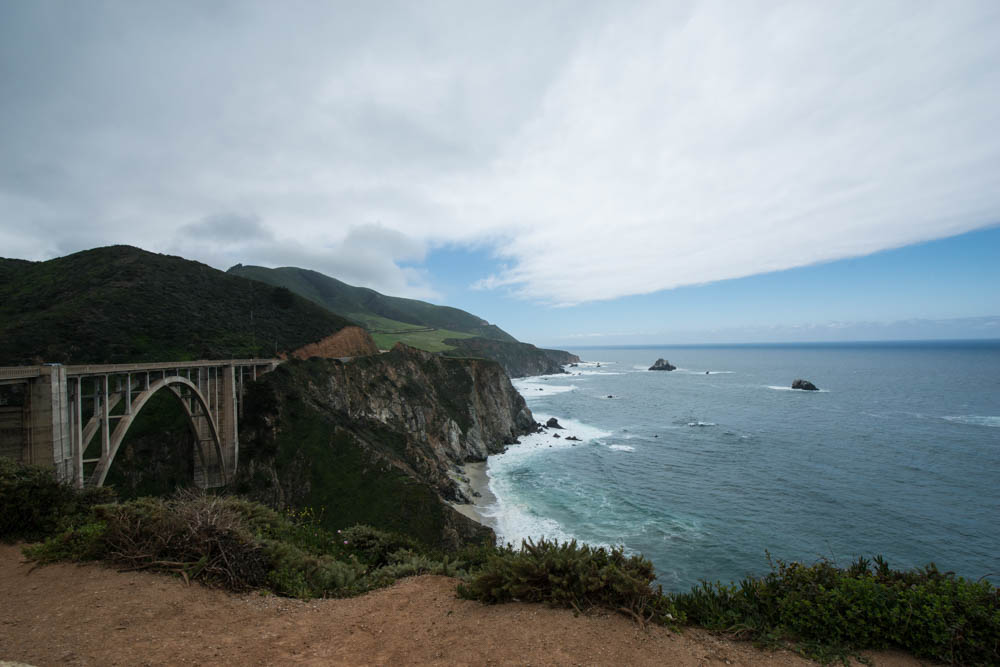
Bixby is just gorgeous.
Kerouac marvels at this bridge in Big Sur. He talks about the sheer power of nature, and how he felt insignificant against it.
I understand what he means exactly. But where he felt insignificant, I feel comforted that we humans aren’t so powerful after all.
That time when you are trying to figure out how the timer works on your camera.
That time when you give up on making the timer work on your camera.
I wouldn’t have made it here without this one.
The Pacific just passed Bixby Bridge in Big Sur.
The Pacific from the deck of Nepenthe. I don’t know what voodoo they worked on their burger. I just know it was heavenly.
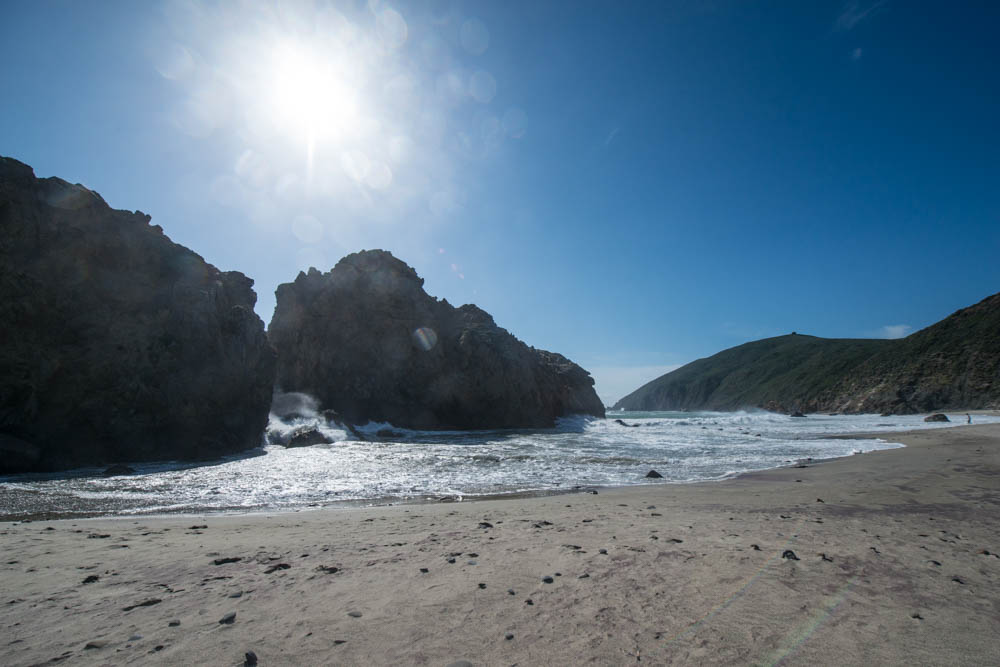
Pfeiffer Beach Big Sur California
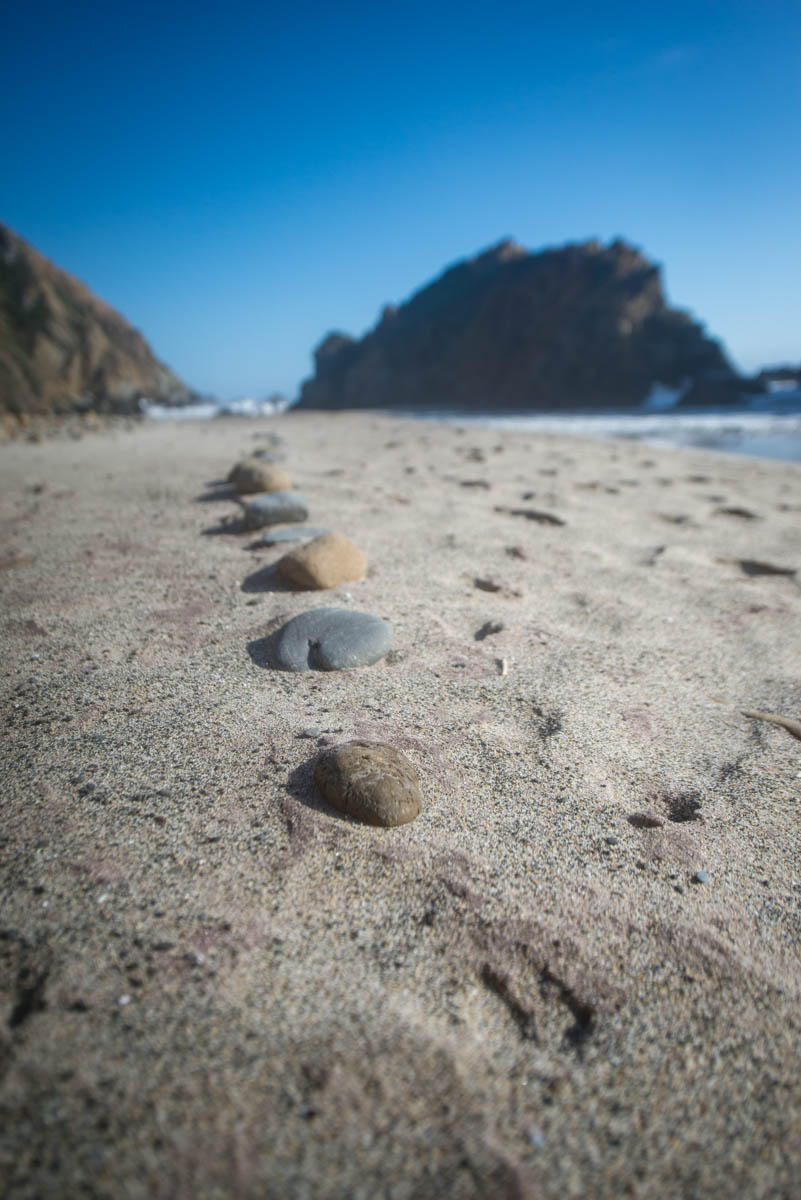
Pfeiffer Beach Big Sur California. The pictures adequately show the raw beauty of the beach. It doesn’t show that the winds were driving sand up off the beach and blasting my face with it. My face was very soft after the sand and salt scrub.
Pfeiffer Beach Big Sur California. That kid was brave. It was very cold.
I booked a photography workshop in Cuba nearly a year ago. I was fresh off my break-up and was in the process of dissolving what had been our home for five of the seven years we had been together. On a whim, I booked this trip, because once the house has burnt down the risk of drinking red wine on the white sofa takes on a new perspective. On a different whim, I moved to Seattle, so contextually speaking committing to this trip to Cuba wasn’t the worst display of my impulsiveness.
In the wake of the trip, I am at once annoyed and thankful for my impulse. It’s easy to focus on the negatives at the moment because I am right in the middle of a double ear infection and a sinus infection that’s been brewing for more than a week. I am on antibiotic number two, hoping this one will do the trick. I no sooner recovered from the intestinal distress that often results from an American gut abroad, when my slight cough and congestion morphed into the current three headed hydra of cranial discomfort.
I blame Cuba. That’s not entirely fair. I flew into Cuba after twelve months of very stressful things taking place in very quick succession. The break-up smacked into a personal melt down, smacked into moving to Seattle, smacked into discovering dislike for Seattle, smacked into my Dad having open heart surgery, smacked into a new role at work, smacked into moving back from Seattle. It’s a double-decker sandwich of stress. And to my body’s credit, it took it down like a champ. In spite of all the exhaustion and flights, I remained well through all of it. After my body did me a solid like that, I rewarded it with a trip to Cuba, a place where raw sewage runs through the streets and hand soap and toilet seats are only for the rich and famous. Ok, I still kind of blame Cuba.
If I had expectations they were that Cuba wouldn’t be that much different from Costa Rica. For both Spanish is the national language, and their standard of living is a bit lower than ours in terms of material goods. I am careful to stipulate that, because both countries have good healthcare for all, something we lack here. I expected that the embargo would leave Cuba at a slight disadvantage to the other Latin American countries I have visited.
This was not terribly far from reality. Buddhist thought suggests that the root of suffering is the difference between reality and expectations. This proverb adequately describes my trip. There were some unanticipated language issues, which really shouldn’t have been a problem, a point I will explore later. The lack of municipal water services was a surprise. But I was anticipating the need for bottled water, so that in itself wasn’t an issue. So far so good.
Our guide seemed competent enough in the emails. His fifteen years of experience instilled confidence. The trip was just under $4000. And for that amount of money, I had certain unexplored expectations about the quality of our accommodations.
Suffering enters stage right.The first thing that should have put me on notice was the hotel we all stayed at the night before the flight to Cuba. This was the place selected by our guide, and while he negotiated a reduced rate it was no better than the rate I booked on Kayak only a week later, the rooms weren’t included in our trip fee. It was a Ramada Inn. It was strategically right next door to a place called the Doll House, a neon pink bedazzled gentlemen’s club. It was clean and adequate, but I think its featured neighbor says it all.
Clean and adequate are excellent words to describe our accommodations for the rest of the trip. We all had roofs over our heads and bathrooms. Yes. All things beyond that were questionable.
In Havana some of our fellow travelers didn’t have running water for some time. We were staying in historic Havana, which was revealed on a unsupervised bus tour to also be the slums of Havana. Our travel mate had paid extra for a room to herself, only to find as many as four strangers in her apartment at any given time. I got a warm shower there … on the last day. At first, I was put off by the dribble of water coming out of the shower head. But after a couple cold showers, I started to appreciate that I had nearly the whole tub to lather up in, away from the dilapidated spigot shooting icicles in my direction. Since our fellow travelers were without a toilet seat I counted us lucky. I have long since cast off the burden of hovering and find it uncomfortable in my 40 year-old body. I haven’t the slightest idea how the retired folks managed it.
In fact in all of Cuba, finding a toilet anywhere that had the holy trinity of toilet paper, a toilet seat, and soap felt like hitting the lottery. Aside from the bathrooms in our rooms, we got shaken down for every bathroom use by wizened old women in front of bathrooms, and once their change bowl was satisfied they would respond by giving us three tiny rough sheets of toilet paper. This led to all of us squirreling away extra napkins and tissues in pockets and backpacks like refugees. After taking one look at the open sewers, and each of us getting doused with some unknown liquid coming from upper floors of the buildings lining the street (does no one look before dumping, *shudder* lets not consider what, off their balconies??!!), it became clear that we would all sorely need functioning bathrooms sooner rather than later.
Things improved when we left Havana. To be fair to our guide, he had booked hotels for us there but had them commandeered by the government for Obama’s crew. His visit also left us to plead our case to the Cuban police, when we were caught in a restricted area due to The President’s walkabout. After some very stressful moments trying to communicate we were escorted to our building.
In Trinidad, Kathleen and I shared a room that reeked of sewage, the only ventilation required that we open our door and the large window that lacked bars or a screen. It was the Sophie’s Choice of smelling all of Cuba’s shit or risk our camera gear stolen. We also traipsed through someone’s living room to get into the building behind that housed our room. But it was scenic and had hot water!
In Santa Clara, we had to traipse through someone else’s living room and kitchen. I enjoyed walking to the bathroom in my night clothes with just some bat wing doors standing between me and the whole family. But our room had a balcony overlooking the city square!
And then there was our feckless leader. When I asked him the evening before departure what type of dialect the Cubans speak, he said nothing while one of my fellow travelers answered. He commanded the floor for almost all of dinner. And he seemed to be wandering around topics in no particular order. Red flags, those things.
Turned out he spoke not a word of Spanish. His ability to communicate important information in a succinct fashion was non-existent. This would lead to us thinking him through talking and engaging in side conversations only to be reprimanded to pay attention. He proved to be incompetent at managing logistics. In each city, he told us our places would be right next door to each other. The closest we were the whole trip was a block and a half, leaving me to think Google Translate has a problem with “next door” in English to Spanish and vice versa. This was my private joke, until one morning at breakfast he talked about the ways in which Google Translate has failed him in his bookings. Finally, while he was a knowledgeable photographer, I think he excelled more at telling stories about Ansel Adams than actual instruction.
Because he spoke not a word of Spanish, I was left as the most proficient Spanish speaker. I can understand quite a bit of what’s said if the speakers are not particularly fast. This gives me troubles with Puerto Ricans and Mexicans. They speak faster than what I can keep up with. Cubans are fast talkers. This is problematic in and of itself, but the Cubans also drop out whole sounds in words in addition to cramming them all together like one endless parade of characters. I understood almost nothing of what they said. When I spoke to them, they understood me perfectly, which is a mystery considering my meager skills as a speaker. I haven’t learned my verb tenses. This makes everything happen for me in Spanish now. There isn’t any future or past, just now. I was deeply amused at my quest for mindfulness over the past year. There was nothing metaphorical about my now in Spanish, it was literally all that was for me. The universe, ever the prankster. Congratulations! I gained a new unpaid position of translator!
I think his lack of competence was more galling when we did a calculation of what he must be pocketing off of each of us. This was only exacerbated when he suggested that we tip our driver and our Cuban tour guides what would be the equivalent of one month’s salary, making our tips collectively add up to six months pay. We quickly surmised that those “tips” were the only way those folks were getting paid.
Even with all these problems, I am glad that I went. I got some amazing shots of Cuba just before it changes, rapidly. The Cuba that exists now will soon be bulldozed over to put up a Hooter’s and a Holiday Inn. The gorgeous crumbling architecture will give way to shiny new things that will become new symbols of excess. Shiny new things that will look just as tired and dated as the hotels there that were once shiny and new in the 50’s. I can only hope that in this time the Cuban people see some benefits from the money that will start pouring into their country, rather than watch, alienated, as wealthy people use their country for their play ground. We all know how that story will end.
It’s taken a year to forge a shiny new me, trifecta of snotty ailments and all. I hope I age better than those casinos. Enjoy the pictures. **I came back with hundreds and skipped entire cities in this collection. That will need to be for another day.
Irony?
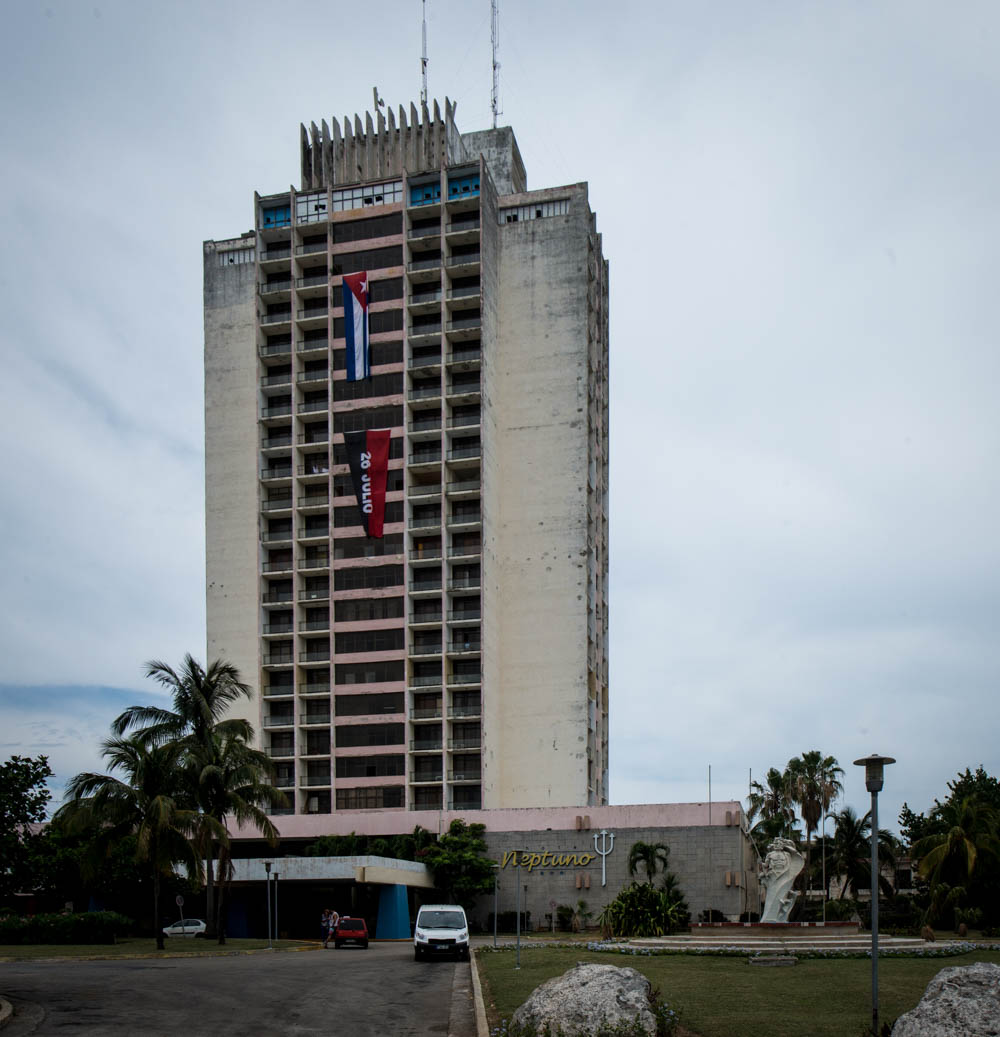
The Neptune, which now seems to be an elaborate flag pole for the revolution.
Che was everywhere. Oddly, Fidel not so much. This was actually one of the few likenesses I saw of him.
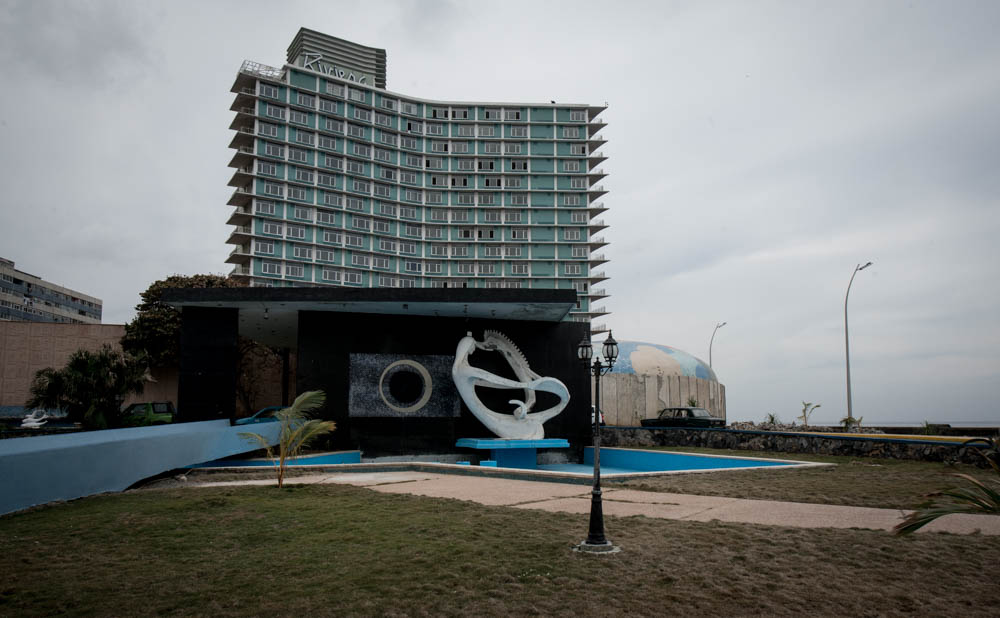
The famed Riviera. Not looking so snazzy these days.
Brooklyn. It’s everywhere.
Pineapple anyone?
Havana
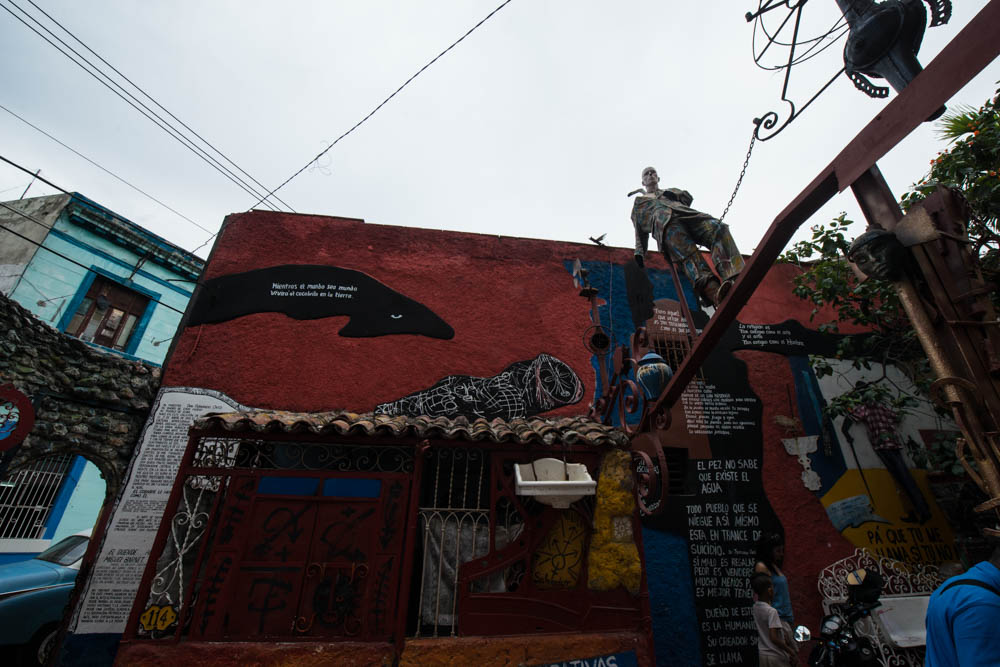
This was an ally that was commandeered by artists. The government fought them for a time, painting over and removing their art. The artists eventually prevailed.
This art ally also happened to be where all the kids that were professional panhandlers hung out. They had all the English lines that tug on the heart strings. It’s only that they parroted them off in a way that let me know their words have had long practice.
Art ally.
This is what happens when you travel with photographers.
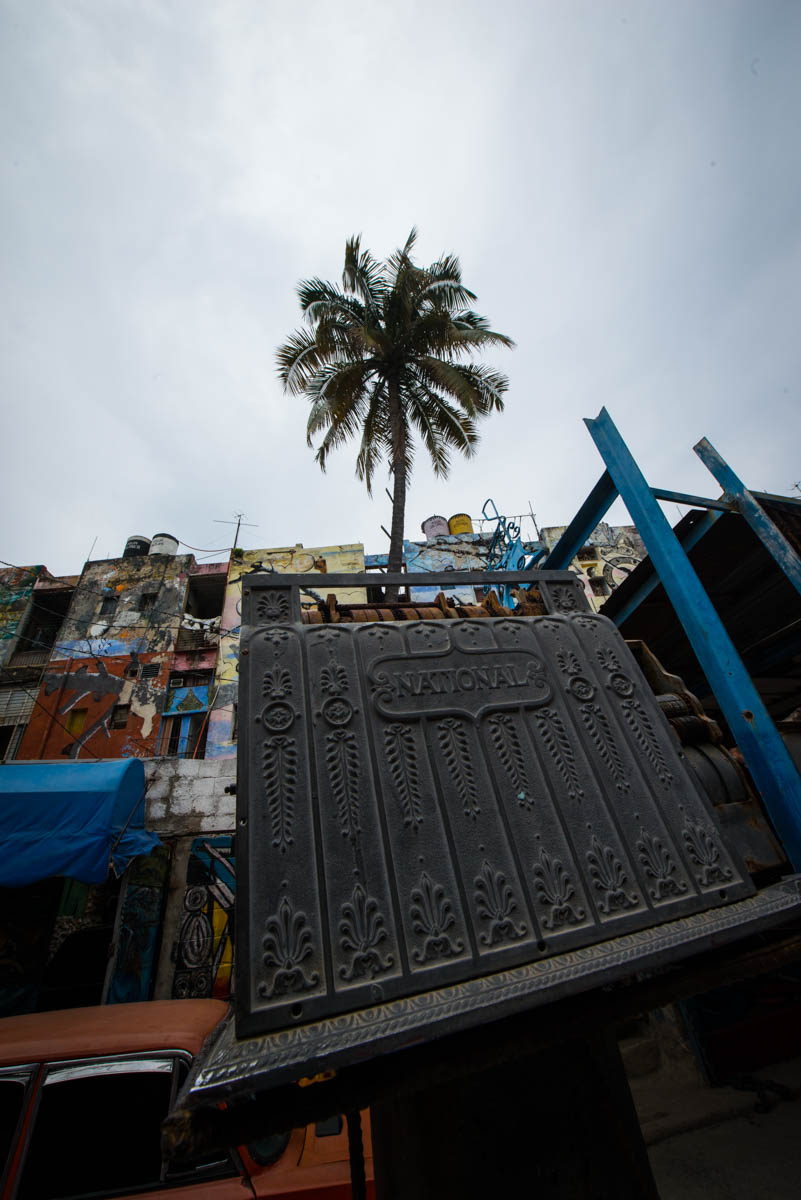
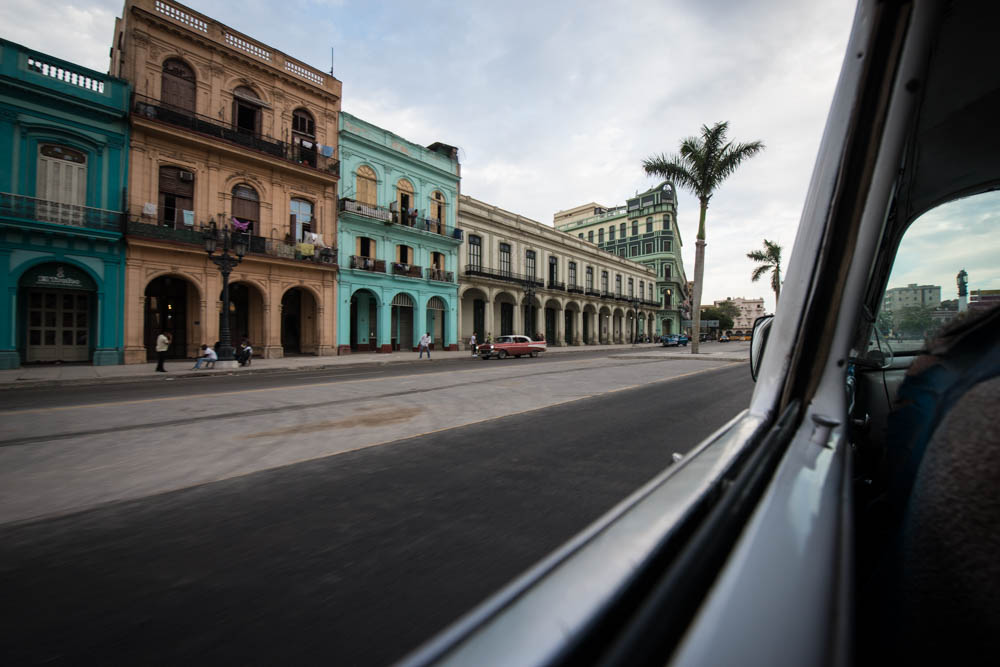
The buildings in Havana where just crushing in their beauty and their state of neglect.
So, my sleeve was admired by many Cubans. They were thrilled that I had the correct arm sleeved. They want their tattoo to be visible while they are driving making them opt for their left arm for most of their work.
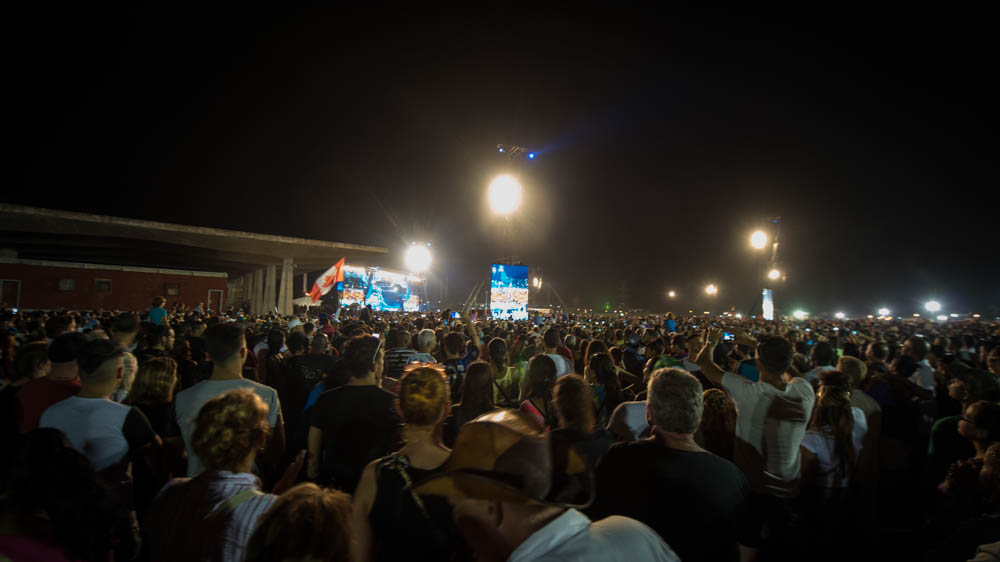
So we saw The Rolling Stones. This was the sunset before a half a million people gathered to see the show.
Somewhere in the distance is Mick Jagger. Points to you if you make him out. He’s probably the size of a pixel.
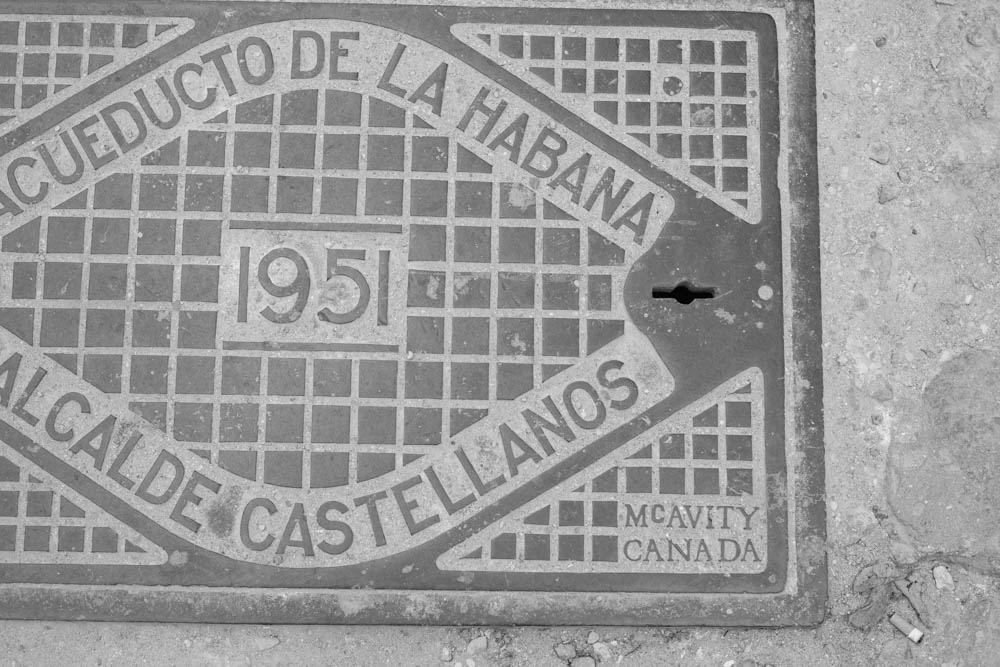
Canada – not having an embargo
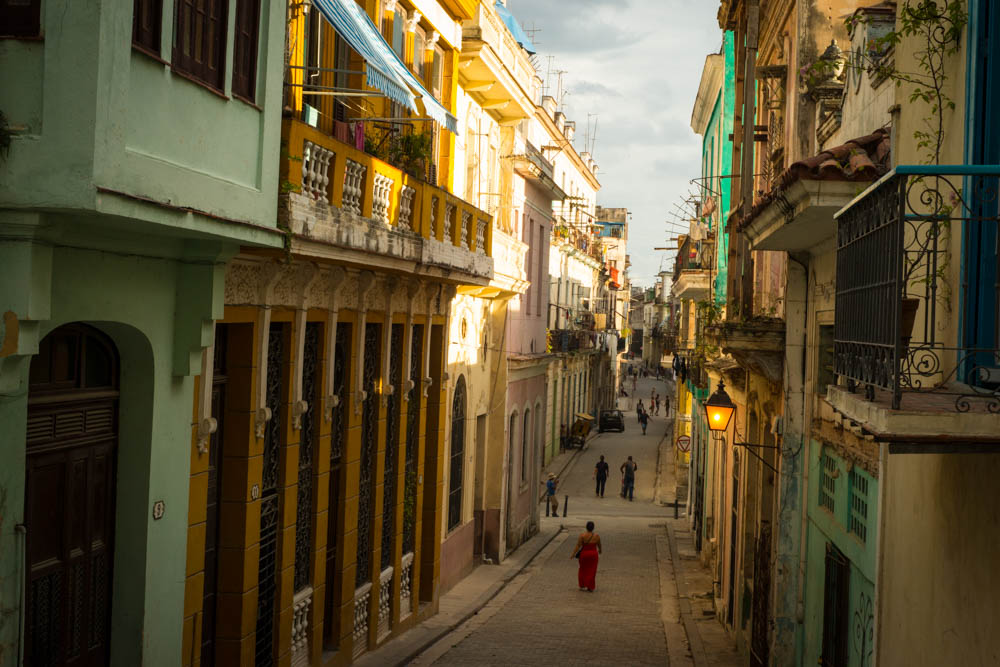
Street scene in Havana
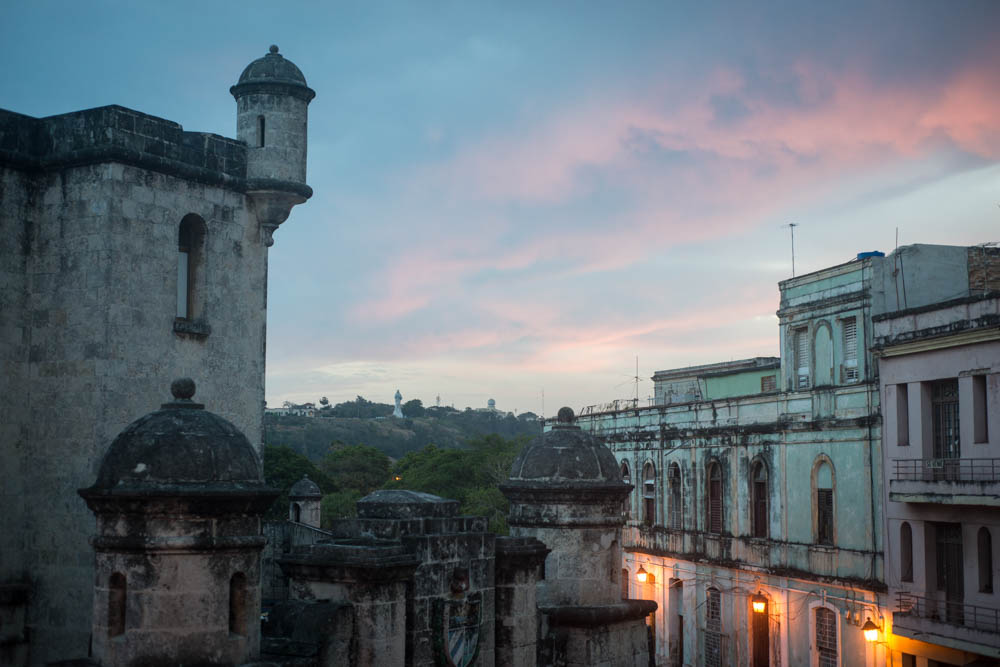
Havana at sunrise. To the left is what I took to be police headquarters. There was something that looked like a shower curtain in one of the windows. This provoked much speculation on our part.
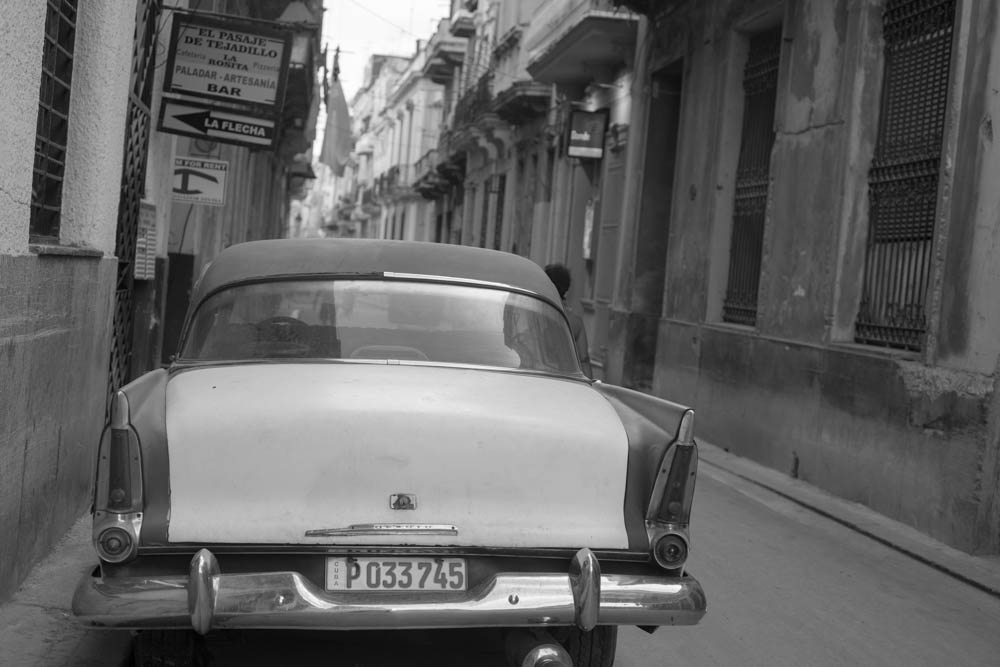
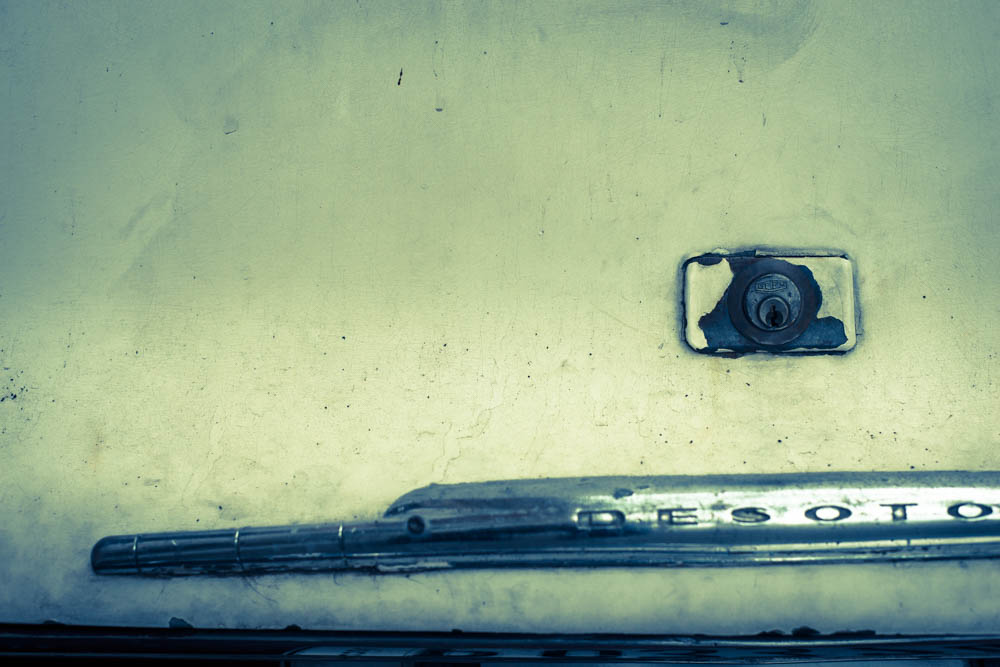
Everyone talked about the cars. I was more impressed with them than I anticipated.
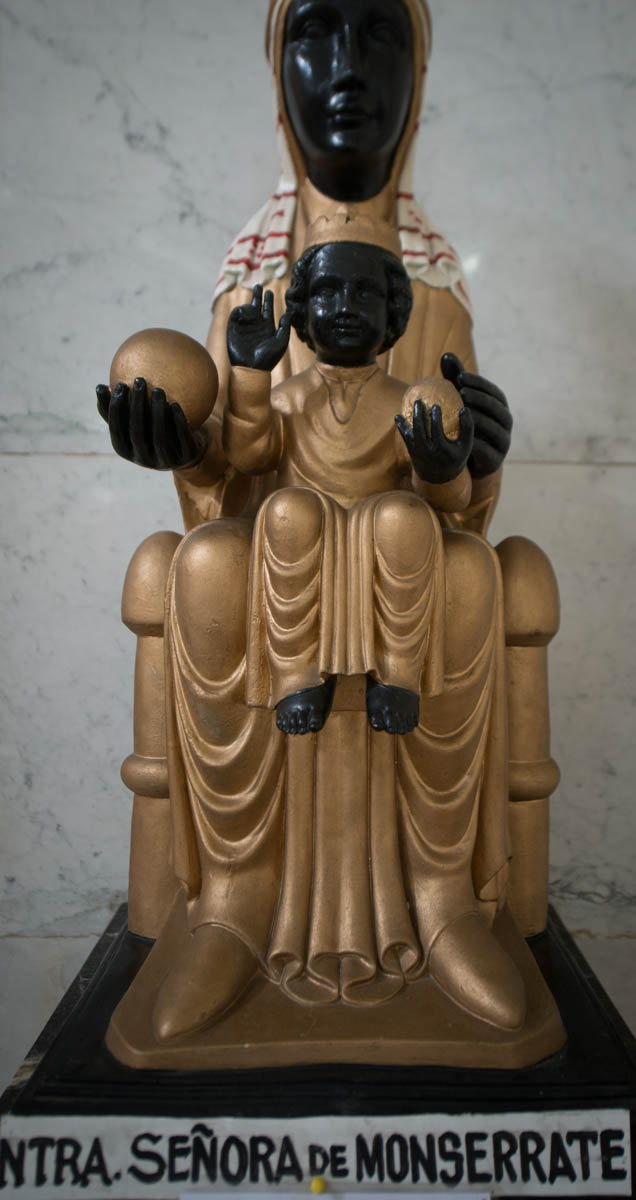
Everyone needs a black saint.
That’s torn up street that you see there. And there’s sewage running through the ditch. It smelled lovely.
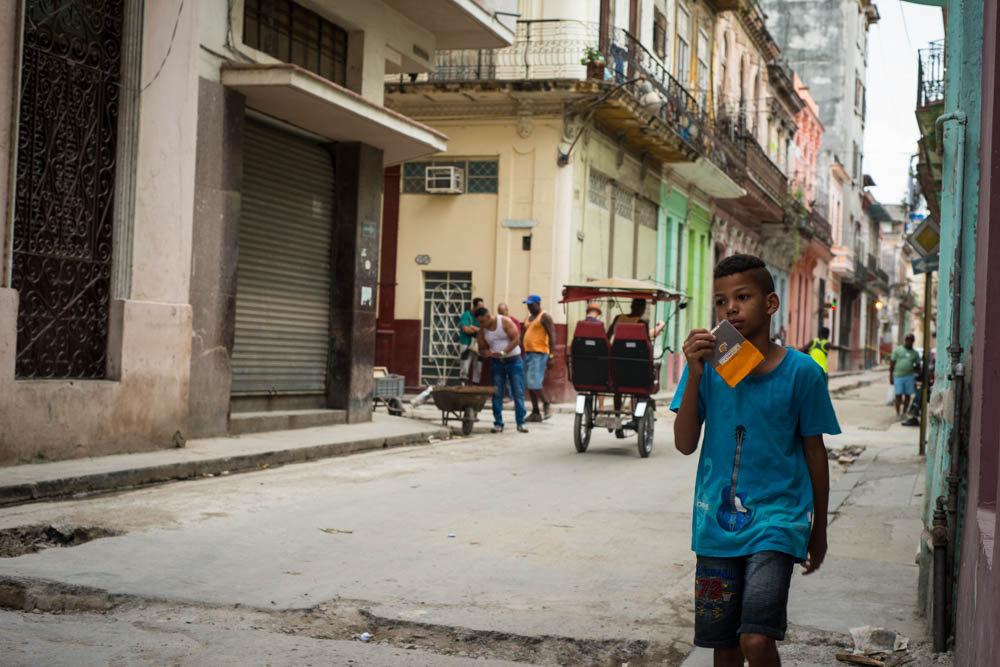
Boys hiding out sharing a video
San Francisco Plaza – Havana
The condition of the animals there broke my heart. There were so many of them wandering the streets injured and suffering. I know the country has limited means, but this upset me more than I can say.
Everyone lies about writing. They lie about how easy it is or how hard it was. They perpetuate a romantic idea that writing is some beautiful experience that takes place in an architectural room filled with leather novels and chai tea. They talk about their “morning ritual” and how they “dress for writing” and the cabin in Big Sur where they go to “be alone”— blah blah blah. No one tells the truth about writing a book. Authors pretend their stories were always shiny and perfect and just waiting to be written. The truth is, writing is this: hard and boring and occasionally great but usually not. Even I have lied about writing. I have told people that writing this book has been like brushing away dirt from a fossil. What a load of shit. It has been like hacking away at a freezer with a screwdriver.
Good god damn. That is the truth. I participated in NaNoWriMo last month. This is what kept my blog posts and Facebook status updates lean. All of the energy I could muster for crafting words was poured into writing twenty-five hundred words five days a week for four weeks.
SIDE NOTE for nerdy nerd nerds: In that quote she references the cabin in Big Sur that Jack Kerouac worked in toward the end of his career. This is the place I am going on a pilgrimage to in the coming weeks. This was in the plan before I randomly picked up this book.
The point of NaNoWriMo is to prevent the perfect from being the enemy of the good. At thirty-nine I am finally grasping the reality of this problem. I shall explain.
I made a sensible choice years ago to take a job in tech as opposed to design. After years of eating ramen to snag two degrees, I was in desperate need of creature comforts, comforts that are easily procured with money. With skills in both software development and design, I pursued software development to net a bigger paycheck and an assured brief job search. I could always go back to design after I avert the very real risk of scurvy.
Fast forward thirteen years, and I never went back to design. True story: eating ramen and sweating making rent sucks. I can’t say that I have regret. Yet, I have been yearning to stretch my creative muscles.
Two things mortified me when I started tentatively stretching those atrophied muscles in the last few years. First, I have grown afraid of failure, or perhaps more precisely, afraid of displaying my stunning lack of competence. The second compounds the first. I’ve spent fourteen years consuming excellent writing and music; I have a much keener sense of what good and, unfortunately, bad looks like.
I found these two gremlins in my photography, writing, and music. I spent years thinking I would find sunlight to melt them into oblivion. Instead years passed, and I created nothing.
Something caught my imagination a few years back when I read Outliers by Malcolm Gladwell. Bear with me as I will grossly truncate one of the key ideas he expresses in his book; 10,000 hours of practice is all that’s required to master a skill. What we often call talent, might better be understood as persistence and discipline in a given area of interest.
In the years since, I’ve come to see compelling arguments that some of his interpretations are questionable. I read the book just after it was published, so I didn’t have this information to discourage me. And for that, I am thankful.
I decided to blog. I decided to schedule photo shoots. I shared my photos on my blog. My discomfort with mastering my new camera body was on display. My utter failure as an editor is still there for all to see–just go to my archives here and select stuff from three years back or more. (I’ve probably let some typos through in this very post.) Since I committed to write about the BBC’s Big Read booklist, I had to write blog entries when the muse wasn’t there. I forced myself out of the apartment with my camera when I wasn’t inspired.
Something wonderful started to happen. I learned a habit that enables my inner editor–multiple passes of the same passages in different sittings. Sometimes in pass two or three I discovered that under my aimless, uninspired rambling was something worth saying. Sometimes the muse that left me adrift on the first draft found me on rewrite two or three. Shots that felt pointless in the moment only revealed their beauty once I sat at the computer editing.
And then there’s learning that can only take place in the context of experimentation. Over three years, I mastered my photo editing software. I started to know what could and couldn’t be altered later while at the shoot. My vocabulary has expanded, giving me more efficient ways to express myself. I know how to use a colon–sure I had to look that up about nine times. I got physically adept at manually focusing–and quickly–so as to not be victim to autofocus selecting the wrong focal point. My ear for good prose expanded. I’ve grown to have a sense of what lens I should use with just a rudimentary understanding of the environment.
At first, I couldn’t look at my work. I cringed at every sloppy mistake. But more than three years on, I see my mistakes less and my progress more. I see that the experiences of creating the work, writing or pictures was worth while in its own right.
And this brings me back to the perfect being the enemy of the good. The unholy mess of writing I did years ago, I can now see as the good. It wasn’t good writing. Yet the only way to to become a better writer is to write, and this is the good. The journey of learning to write well is the good.
I wrote a novel. It is not great. And that’s ok because multiple rewrites can solve for this. It’s good because I now know I am just awful at writing dialog. It’s good because the experience has made me a different reader. It’s good because I know something about writing now. I know that writing my way through a plot I know from word one feels dull even when the pacing might be appropriate for the reader. My mind moves faster than my fingers. My brain fumbles with thoughtful prose as I am eager to move the plot forward. I’ve learned that my inner artful muse really needs my inner planner to ensure all plot holes are sealed up. I’ve learned that I forget what the hell I wrote the day before.
And this was all better than good but less than perfect. It was great. Congratulations fellow NaNoWriMo winners. Congratulations me.
I wrote that book in November, and like the guy that clears out the all-you can-eat buffet, the book drained me of my words. More to the point, I have been rearranging a lot of things in my life, and I don’t have much to say about it right now. Or perhaps a better choice of words is that I lack coherent things to write about it. This will change on some sunny morning when I have the rear-view mirror vantage point.
In the meantime, I do have words and pictures of Seattle. Absence makes the heart grow fonder is ringing true for my relationship to Cincinnati.
I miss the random warm, sunny days that can appear like manna from heaven in the winter.
I miss Cincinnati’s food scene–turns out, it’s burning the house down with calorie-filled goodness.
I miss Findlay Market, OH GOD SO MUCH.
I miss Midwest craft beer.
I miss my friends.
I miss the bounty of old, gorgeous buildings.
I miss seeing the sun–it is dark by 4:15 pm here, and the cloud cover isn’t just overcast it’s mortifying in its bleak darkness. Every goddam day.
I miss not having to consider traffic as a serious barrier to almost everything. Want to go ten miles during rush hour? I hope you have MREs in your glove box; you will need them. Geography has the all the traffic in and out of the city narrowing down to two bridges. Poor city planning has all the traffic around downtown at a near standstill during rush hour. The result is traveling 3 miles in rush hour can take up to an hour.
I miss seeing brown people–Seattle is ~75% white were as Cincinnati is ~52% albeit segregated like Plessy vs Ferguson.
These observations require further discussion below.
I miss our boss as all hell music scene. Seattle’s scene is missing small venues that incubate new acts.
I miss Midwest nice.
I really cannot believe I am saying this, but I miss the aggressive drivers.
Wait… I’m choking on this a little, let me just get it out… I miss republicans.
Construction is booming in Seattle. Real estate prices have risen dramatically in the last several years. This has made it more lucrative for small venue owners to sell their buildings to developers than continue running their venues. It’s no longer financially viable for a free indie venue to exist. This has eradicated small venues that incubate new bands, and left the city with venues that ticket for each and every show they host. If a band cannot promise ticket sales they, can’t book. The net effect is that local acts have no place to grow and mature. It’s as though the bottom rung of the music food chain has disappeared leaving those at the higher rungs to die out.
The barriers to indie art in expensive cities is referenced in an article about Walk the Moon, Cincinnati band that made it big. Michael McDonald talks about the financial barriers that bands face in this article in Cincinnati Magazine about Walk the Moon’s ascent. McDonald says:
It’s places like Cincinnati where you have time to develop and mature. In larger cities and more expensive cities, you can’t afford to put a band together and pay for the rehearsal space and pay to rent a van and park the van. There are a lot of obstacles, and some of those are just financial.
I thought I understood Midwest nice prior to my West Coast experience, and like a Maury Povich lie detector test result this has been determined as a lie. I thought Midwest nice was essentially an synonym for polite with geographical reference. Seattle natives are extremely polite–see discussion about traffic. Midwesterners are polite and talkative. We ask questions of each other. We ask stuff like where are you from? Did you grow up here? Is that your tractor? The people of Seattle simply don’t do this. It’s a mystery how people make friends when no questions are asked.
The drivers here are very passive. Did a pedestrian just make a slight modification in their gait to indicate they want to cross the street with nary a crosswalk in sight? Seattle drivers: STOP IMMEDIATELY AND WAIT TO SEE IF THE PEDESTRIAN CROSSES THE STREET. For those of us who aren’t attuned to every minute change in gait of each and every pedestrian still on the sidewalk, this results in a litany of cursing and near collisions.
Cincinnati drivers are careless, and as a cyclist and pedestrian I have nearly been run over a number of times. I am all for avoiding situations in which a person could bounce across the hood of a car. BUT THIS IS WHAT CROSSWALKS ARE FOR.
But the proliferation of bike lanes, bike trails that lead to useful places, and protected bike lanes is spectacular. I am hoping to advocate for more of this in Cincinnati when I return. Aside from reducing our dependence on fossil fuels and the physical fitness benefits cycling delivers, it also enables people to put more of their paychecks in the hands of local Cincinnati businesses as opposed to funneling dollars away into a Honda exec’s bonus.
How can one miss republicans? Seattle as two dominant political groups, liberals and more liberal liberals. I thought I would enjoy being with like-minded people. There’s two unexpected negative side effects to having a city full of liberals. First, it seems because infrastructure projects, including those in service of additional public transit, face little to no resistance, they are beset by budget overruns and missed deadlines. The caption to one of my pics below describes the tale of Big Bertha. Long story short, there’s a billion dollar drilling machine burrowed under Puget Sound. It broke, and this event seemed to have no risk mitigation plan against it, because the only way to restore the billion dollar carcass to working order was to dig all the way down to it. Through The Sound. Because Cincinnati has to fight for every infrastructure dollar we get, our projects hew closer to their budgets and timelines, because project cancellation is a very real possibility if more money or time is required.
Secondly, the political knife fights that we engage in in The Queen City drive a sense of community and connection. The lack of resistance has made the liberals of Seattle lazy and disorganized. These two unexpected negative side-effects have me missing some good old COAST shenanigans or that flaming pile of poo, article twelve. Where are you Simon Leis, you bigoted ass-hat? Liberals need you so they can coalesce around a common enemy.
All of this seems to imply that I am not having a good time. But I am. The exploration necessary to develop these observations has been loads of fun. The city encourages me approach every day and every new errand with curiosity. On the surface, Seattle is revealing what I don’t want in a city, but deeper in, the city is cultivating a persistent attitude of humility, creativity, and flexibility in me that bears no price.
Huzzah! Protected bike lanes!
OH MY GOD THEY HAVE DETOURS FOR CYCLISTS.
More of the late 1800’s early 1900’s Seattle architecture.
The tiny bit of Seattle that didn’t go up in flames is here in Pioneer Square. It’s the only part of the city with this era of architecture.
So pretty.
Seattle is a port city. There’s machines and industry there.
This on Occidental, the street I live on. They’ve reclaimed part of the street here and made it into gorgeous public space. It’s lovely.
Neon lights are prevalent in Seattle. I didn’t know I really liked seeing them until I noticed they are everywhere here.
Hey downtown.
There’s a rainbow. Also, this illustrates a weird thing. Sun-showers happen here more often than they do in the Midwest.
Downtown is behind that hill.
More pretty.
Pretty.
But then there’s this pretty. I biked across that because they have bike trails across main traffic arteries into and out of the city. Imagine that.
More pretty. Those are snow-capped mountain tops back there, not just cloud cover.
Hey Puget Sound.
Seneca has a street named after him. This only makes sense if you know Anne.
That is someone’s home.
And that is someone’s home.
So that was someone’s home.
I would like to say this is unusual. But it’s not.
Ok then.
See all that industrial crap. Yeah.
See all that construction bullshit. Yeah, that project was supposed to be done this spring. Not so much. Oh also, the project is to secure the double-decker highway that is above that pert little Prius. It was damaged in 2001, and there’s a one in ten chance the whole thing will just crumble into The Sound. Oh, also they build a billion dollar drill to drill under here to create a tunnel for afore-mentioned highway which got stuck and broke. And how Pioneer Square, my neighborhood has sunk a few inches. So basically maybe the highway and Pioneer Square will just sough off into The Sound.
I don’t really know what the ferris wheel is about, but ok. Maybe the view is nice?
That’s a crane. It’s probably going somewhere downtown.
I could have cropped this such that you couldn’t see the construction in the foreground and the massive crane in the background. But the obscene amount of construction in the city is part of the feel.
The cranes are so ubiquitous that they’re decorated with Christmas lights.
I have been procrastinating writing my follow-up update on Seattle. Some experiences are difficult to capture adequately in words. Expressing my spiritual journey is among them. That will need to wait for a later date.
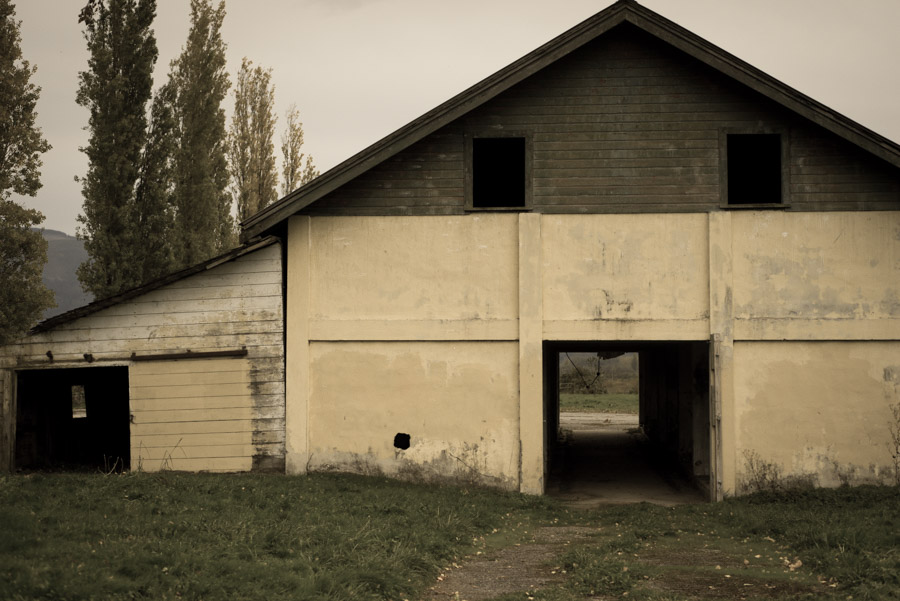
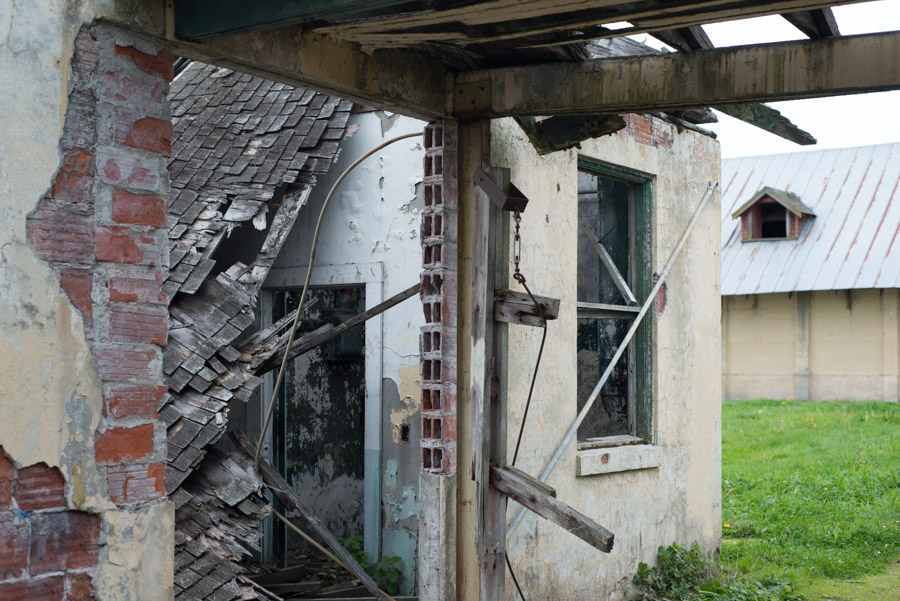
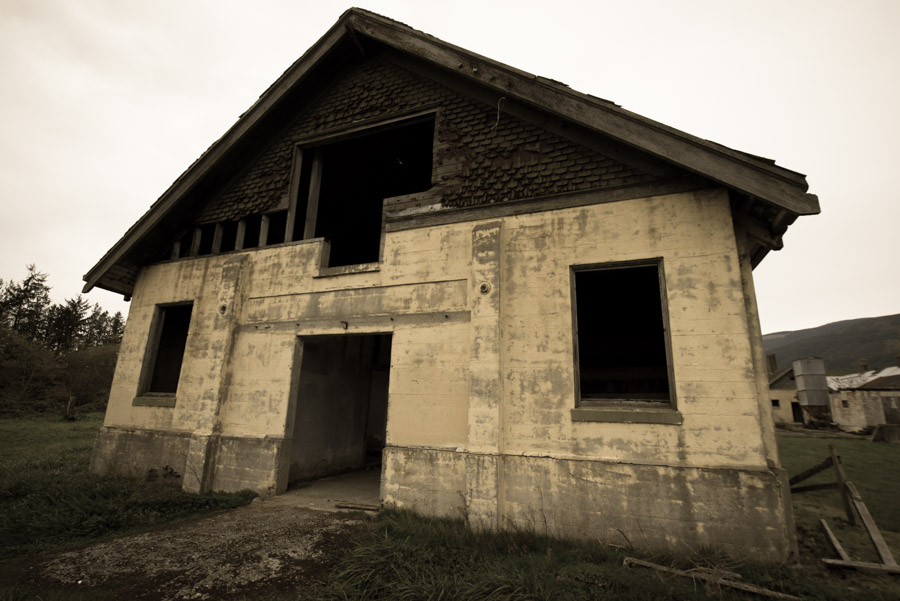
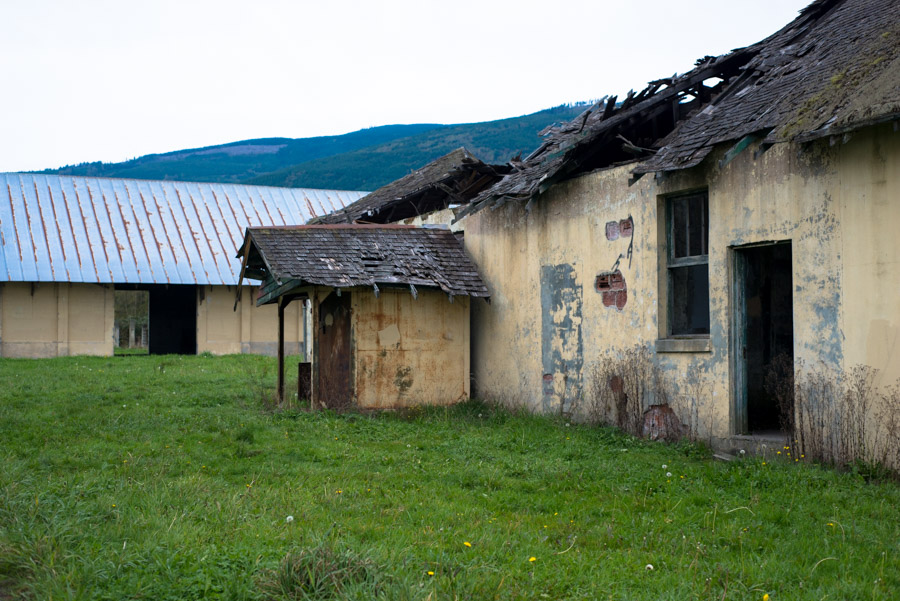
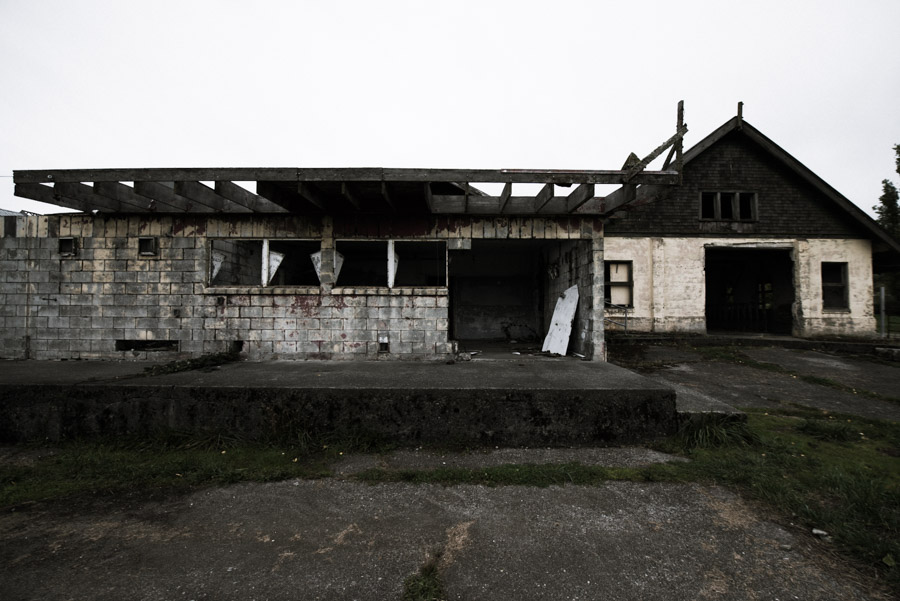
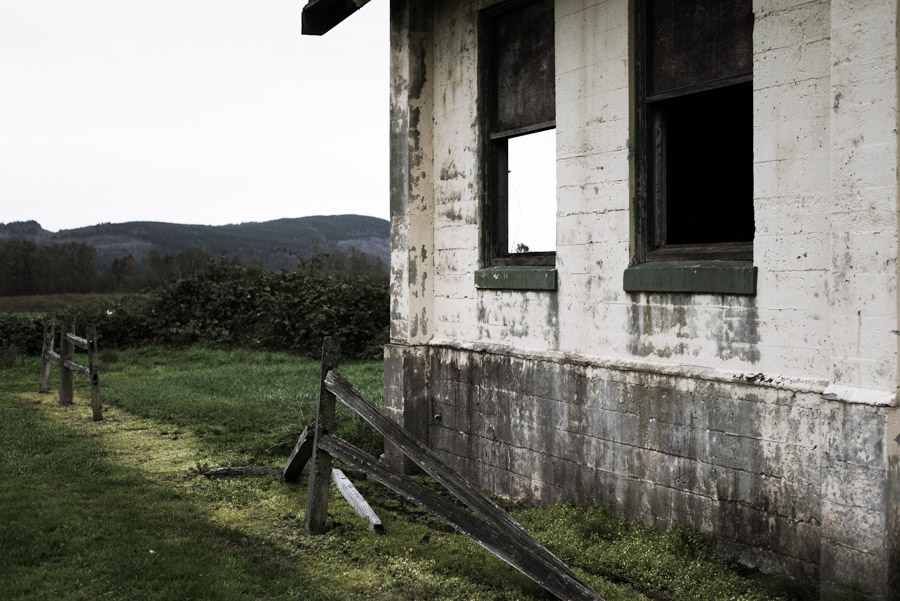
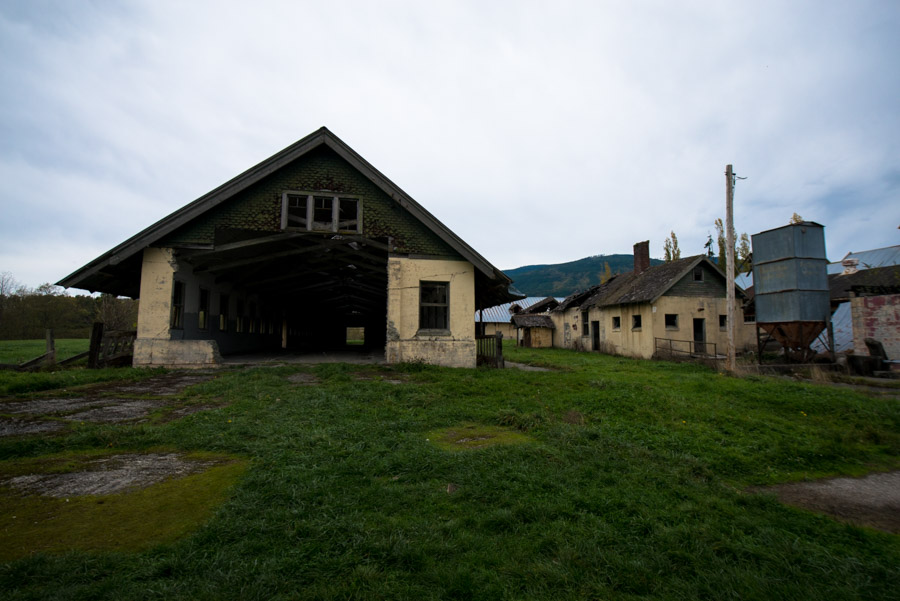
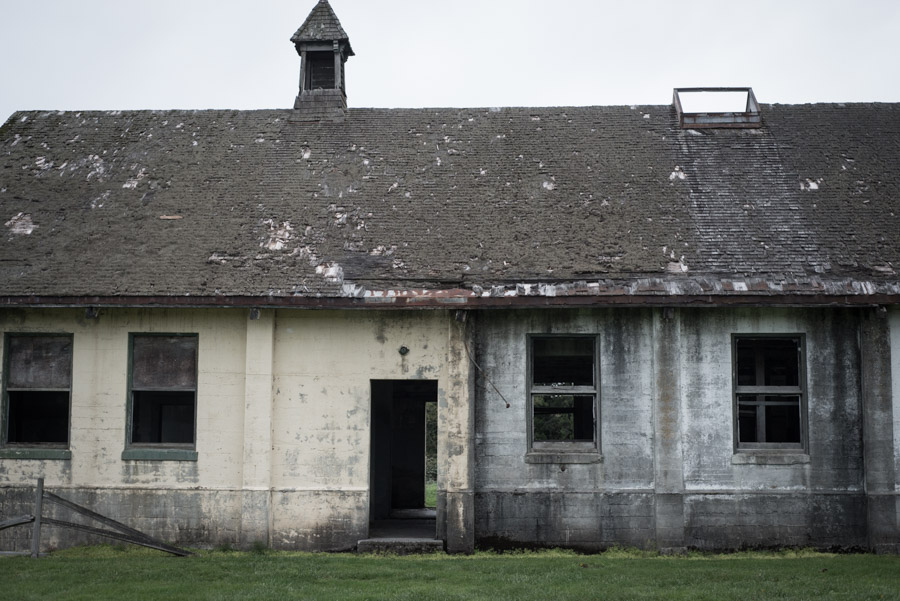
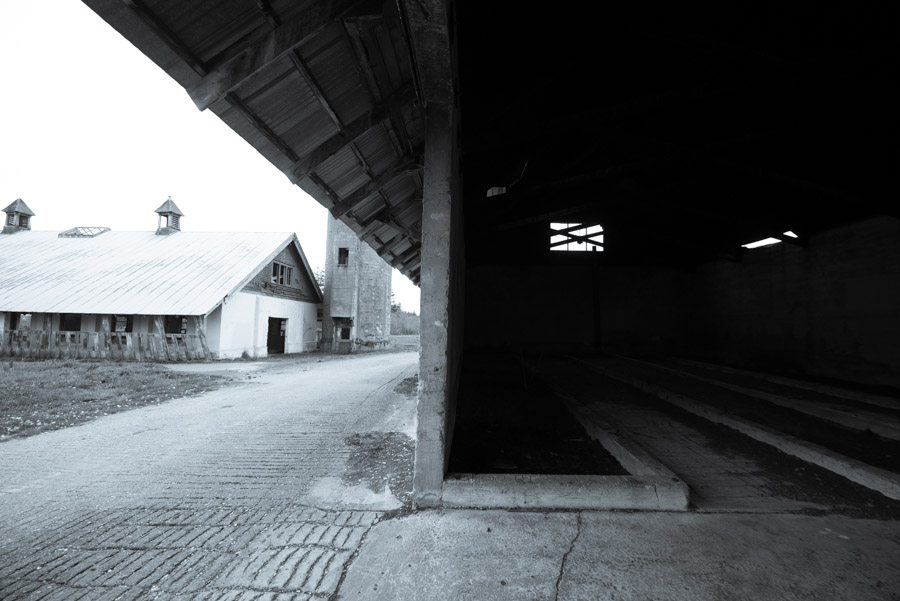
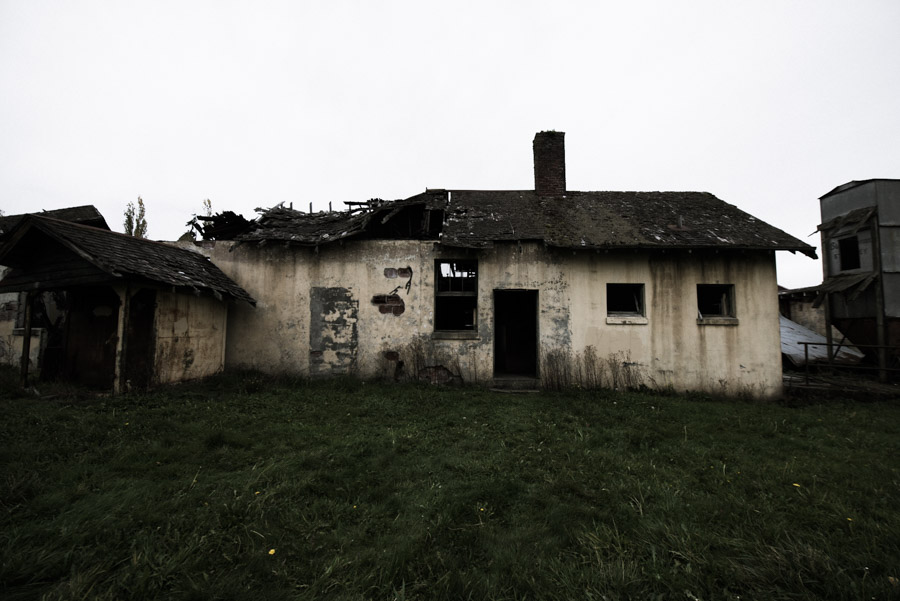
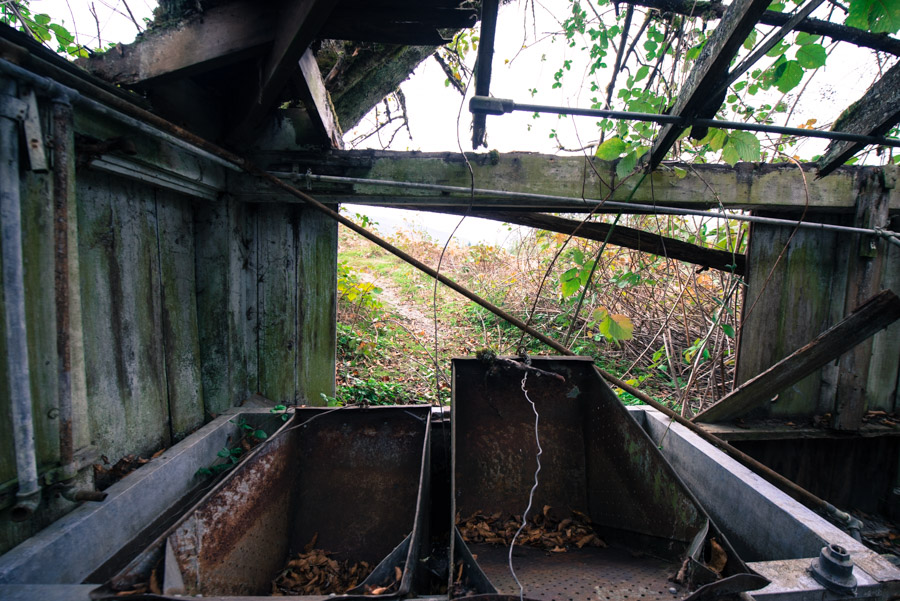
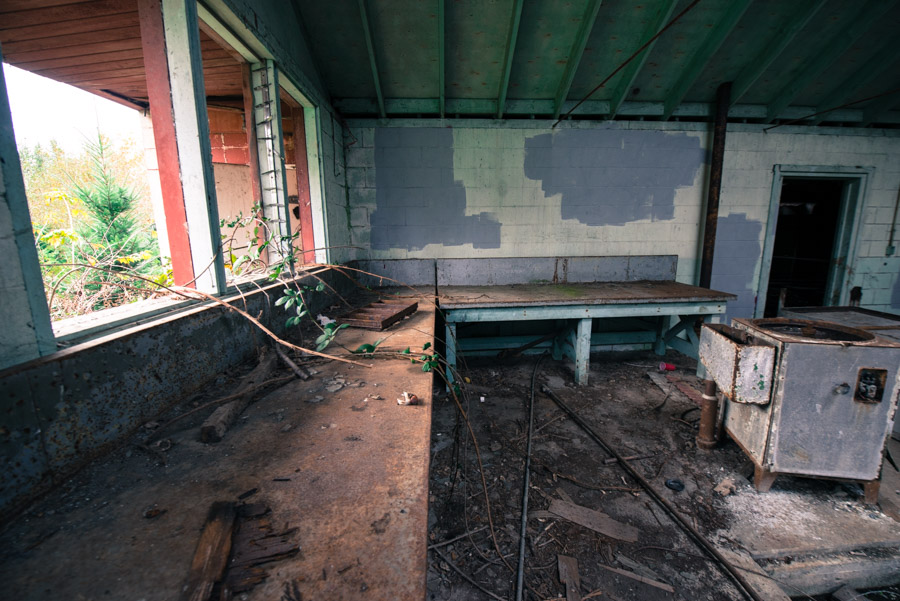
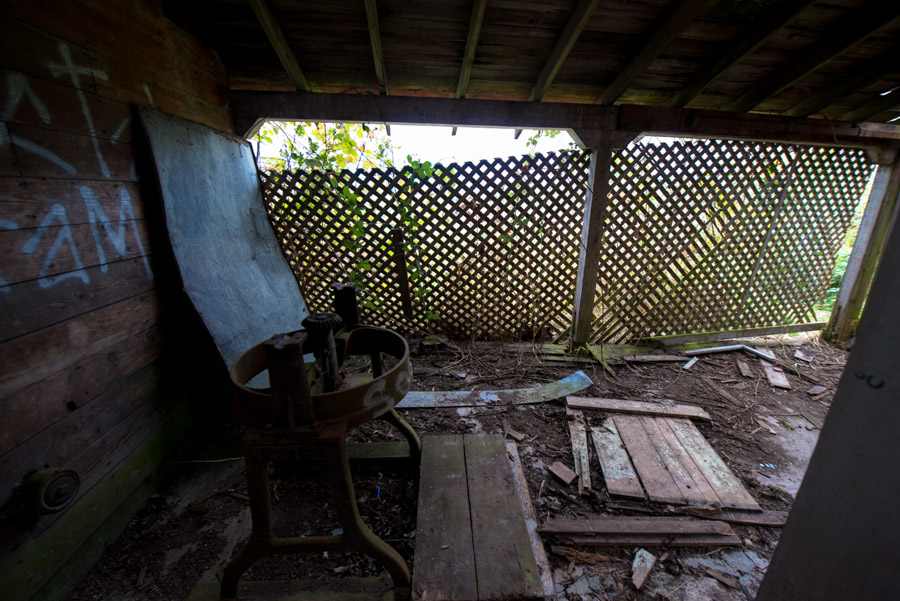
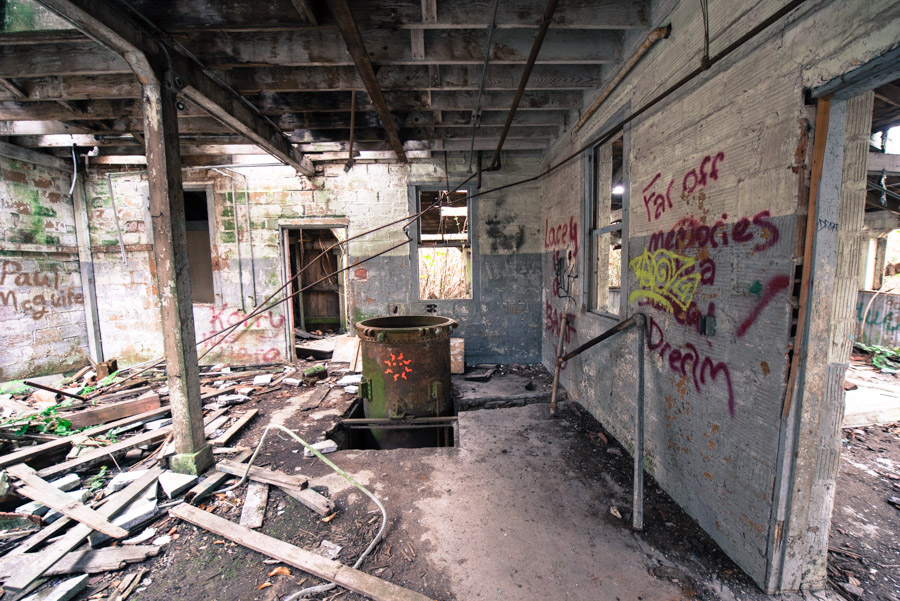
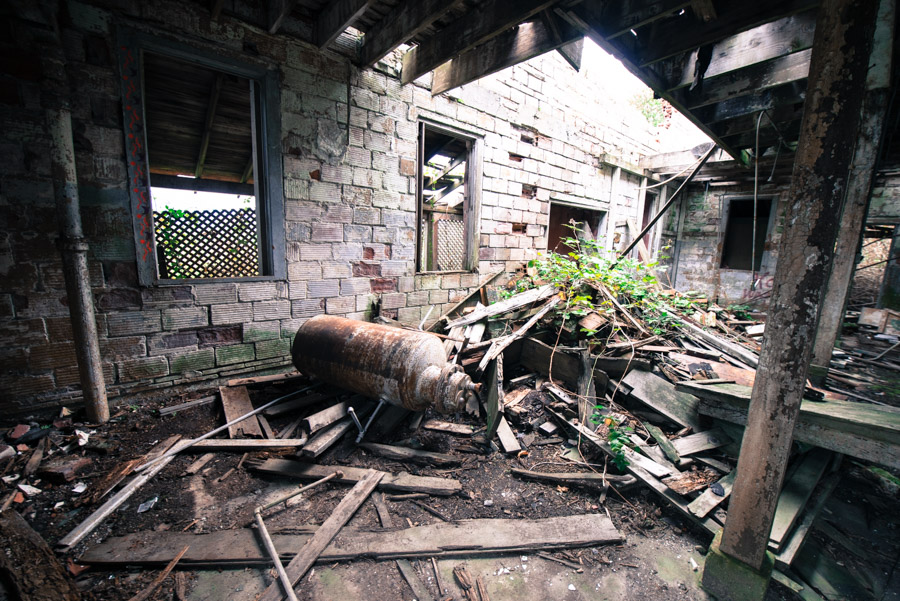
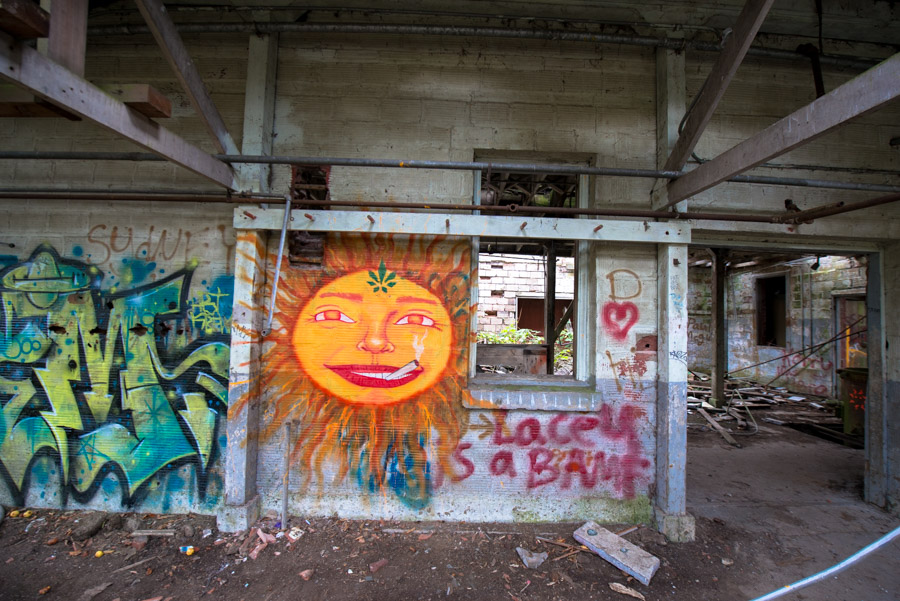
In the meantime, I went to an abandoned mental hospital. I suppose you could call that experience spiritual? Between Halloween approaching and my love of abandoned buildings I was eager to take this ninety-minute road trip up I-5.
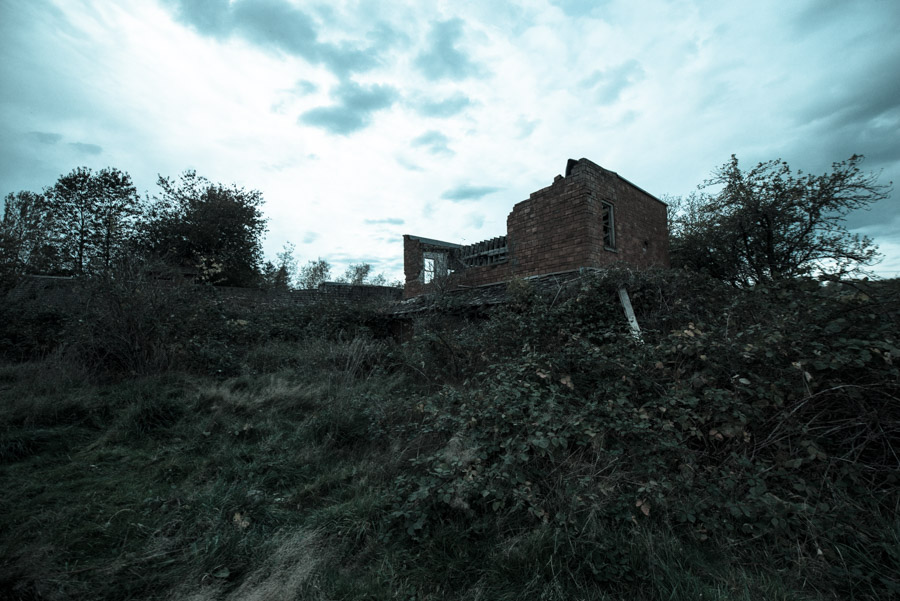
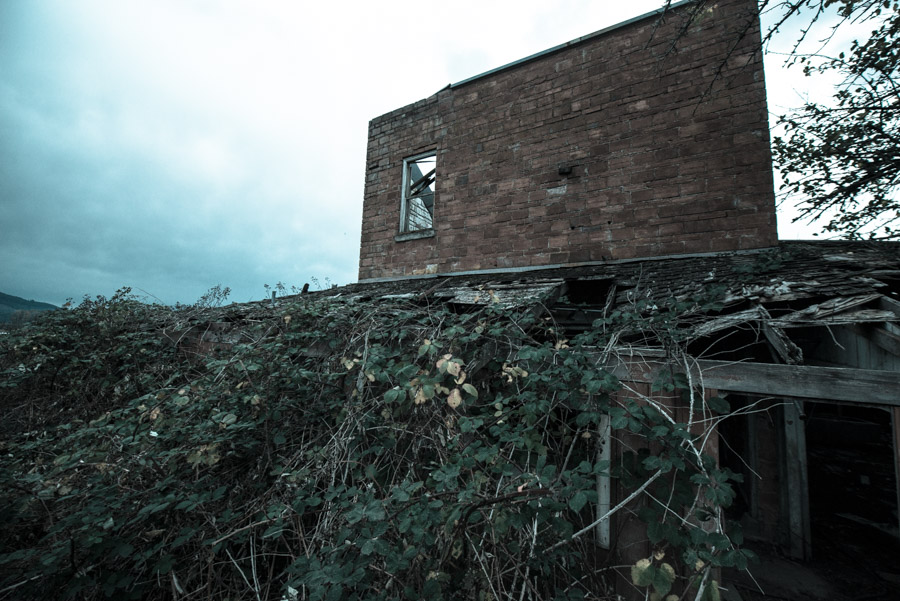
The facility was built in the early 1900’s, and in a testament to they quality with which they were built, most of the buildings are still standing. The hospital itself is still in use but has been re-purposed by Washington state, so that building was unavailable for exploration. The state, satisfying all of the ghost hunters, designated the rest of the grounds as a state park leaving all the remaining structures open to the public.
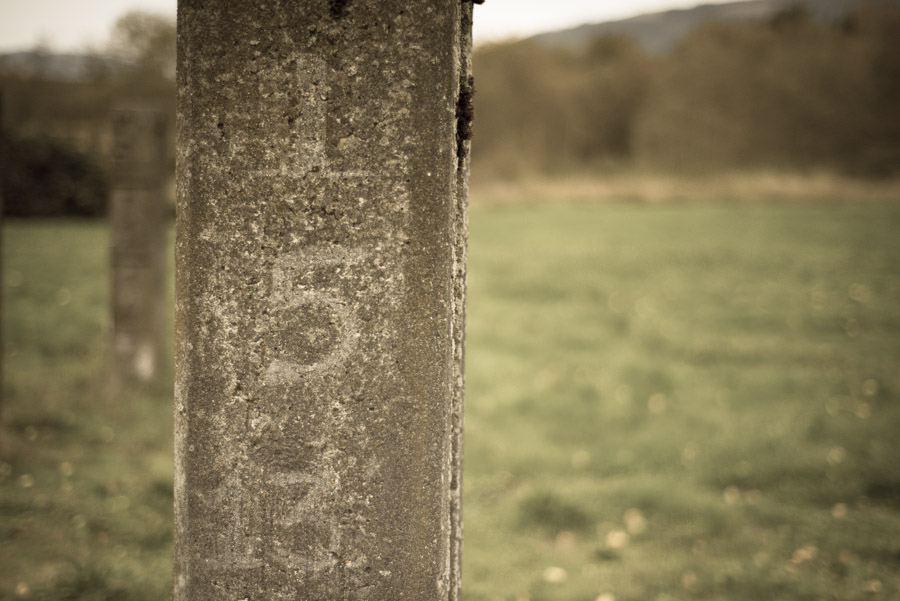
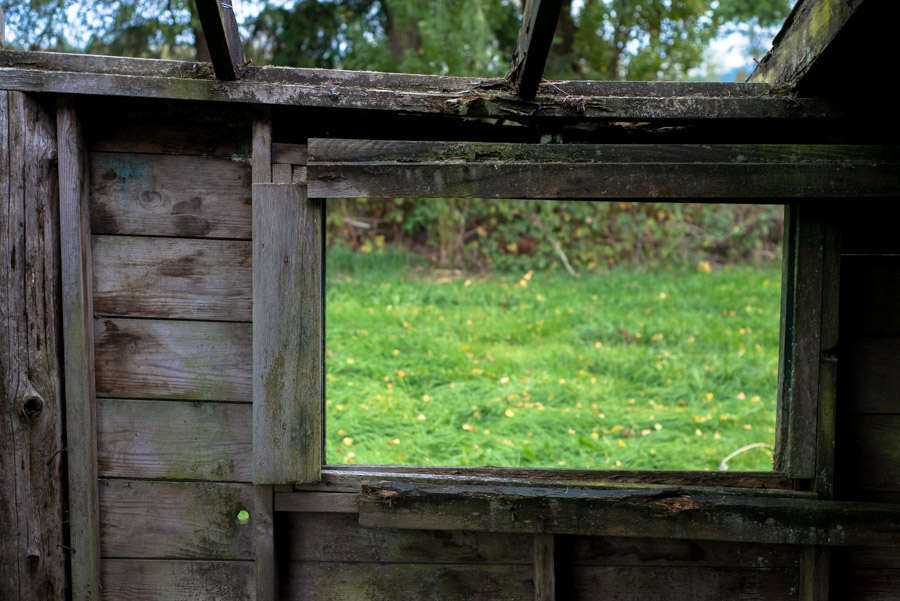
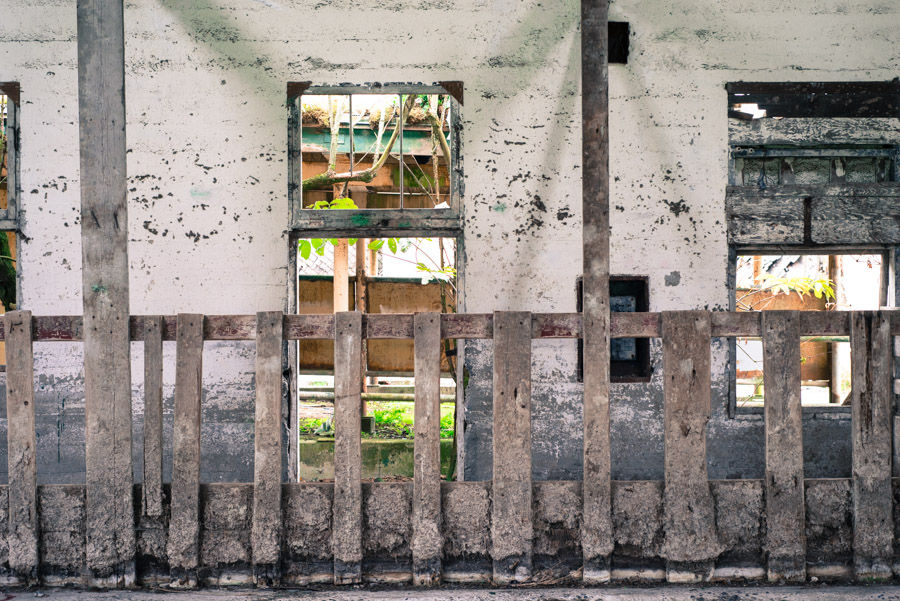
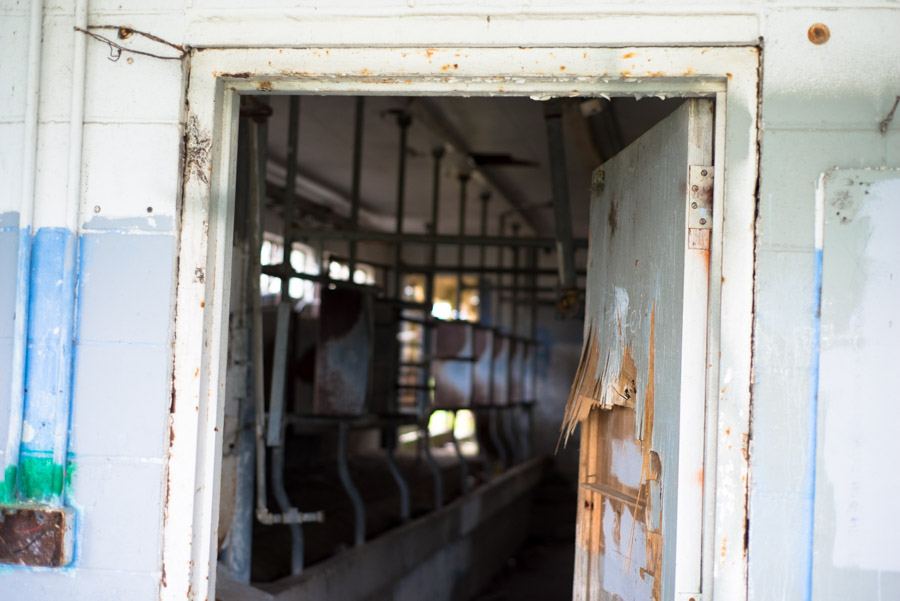
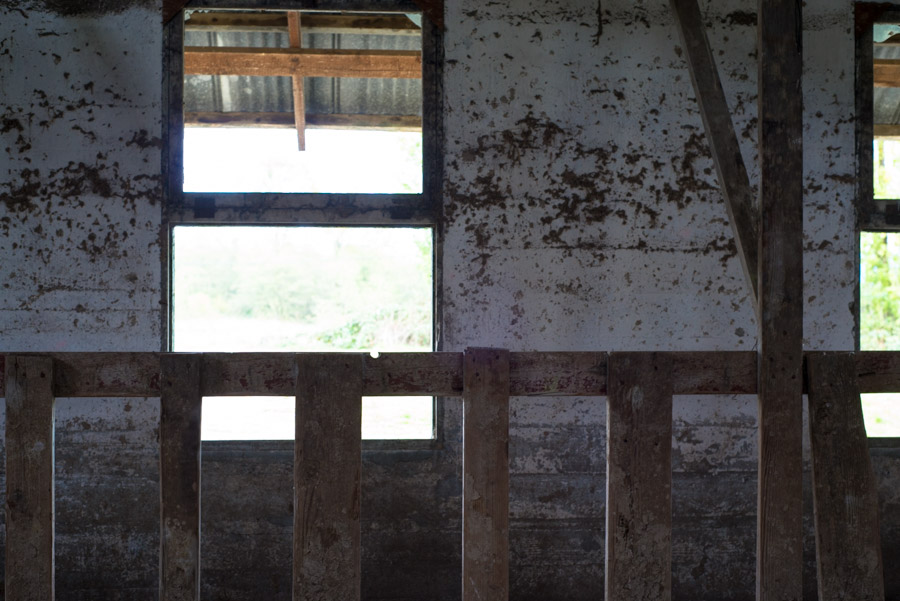
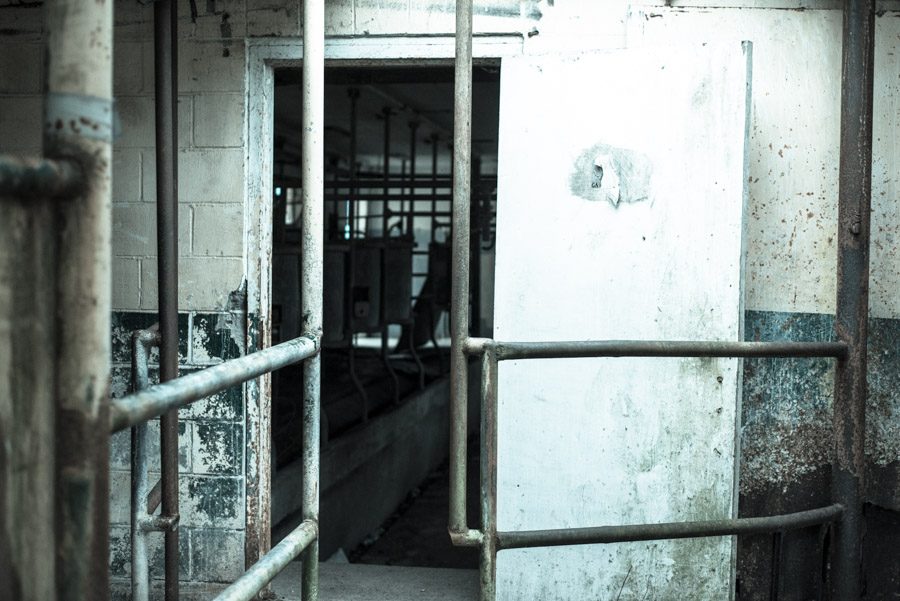
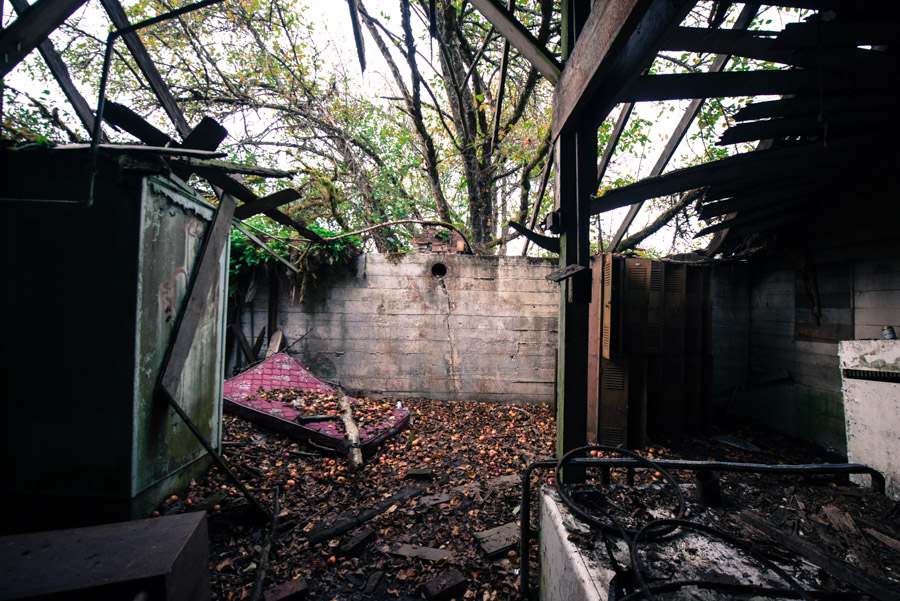
The facility, like many of its time, was designed to be it’s own self-sustaining community, complete with farm land, crops, livestock, and utilities. Patients’ hands placed all of the bricks and poured the cement. Later, patients tended the crops and animals that nourished them. Most of the farming structures still stand with gaping holes for windows and doors.
With this context, I expected the energy of these spaces to feel heavy. Heavy with the toil of people soughed off by their family through no fault of their own. Heavy with the suffering that comes from state bureaucrats cutting funding and over-crowding as was common in institutions of this kind in the 60’s and 70’s.
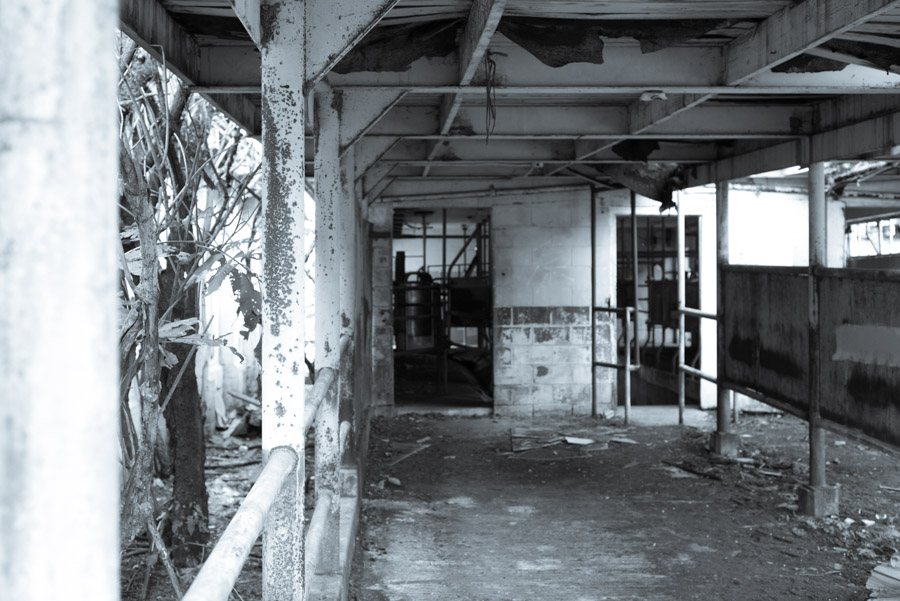
But the land, the space was light. I can’t speak for the hospital itself, which was the site of many shock treatments and lobotomies, but the farm buildings seemed peaceful. Perhaps engaging with nature was a welcome retreat for the patients.
Shooting these places was an adventure. That these buildings are available for exploration in spite of the precarious structural integrity of a few of them is emblematic of the libertarian streak I’ve noticed out here. The West Coast refuses to hand-hold. Surprisingly, I felt at ease in these spaces regardless of how creepy the pictures are.
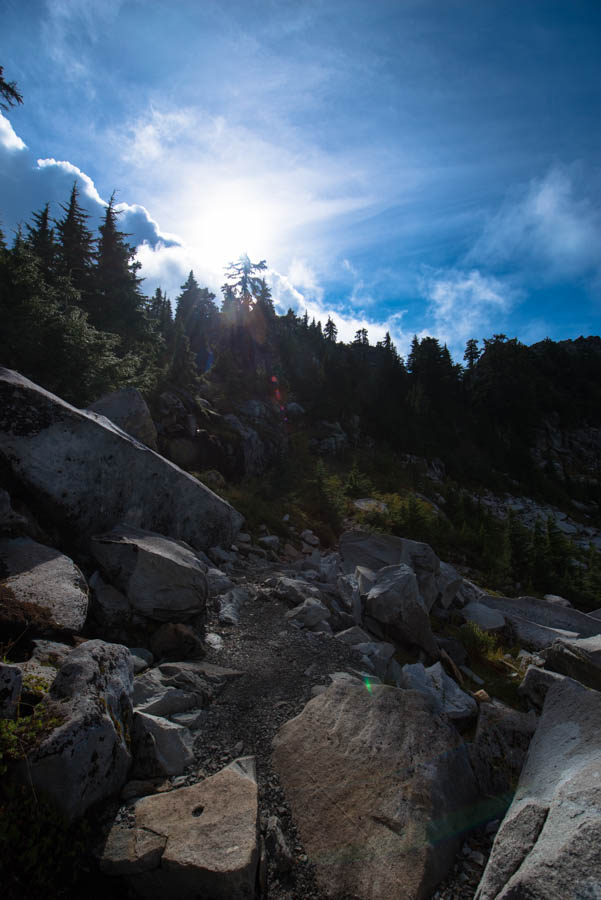
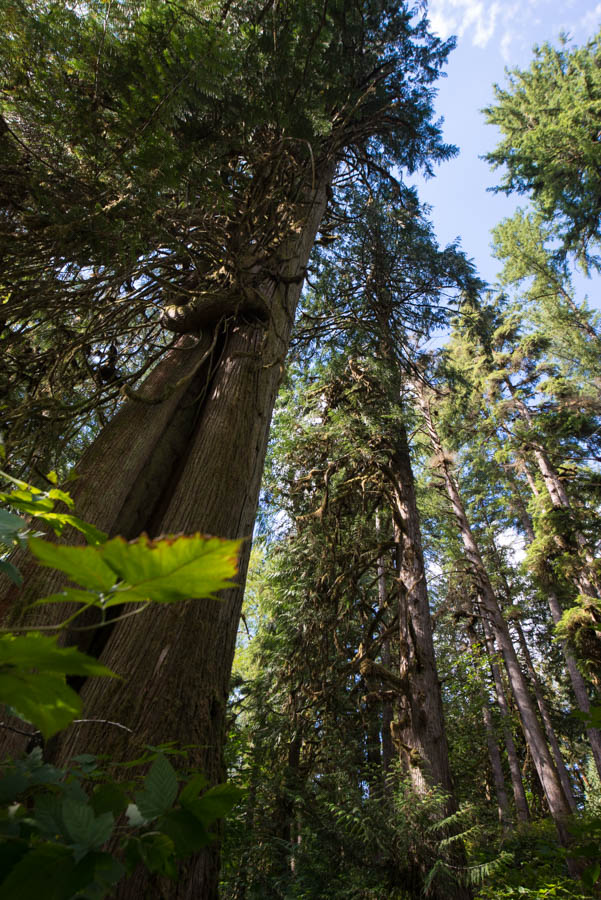
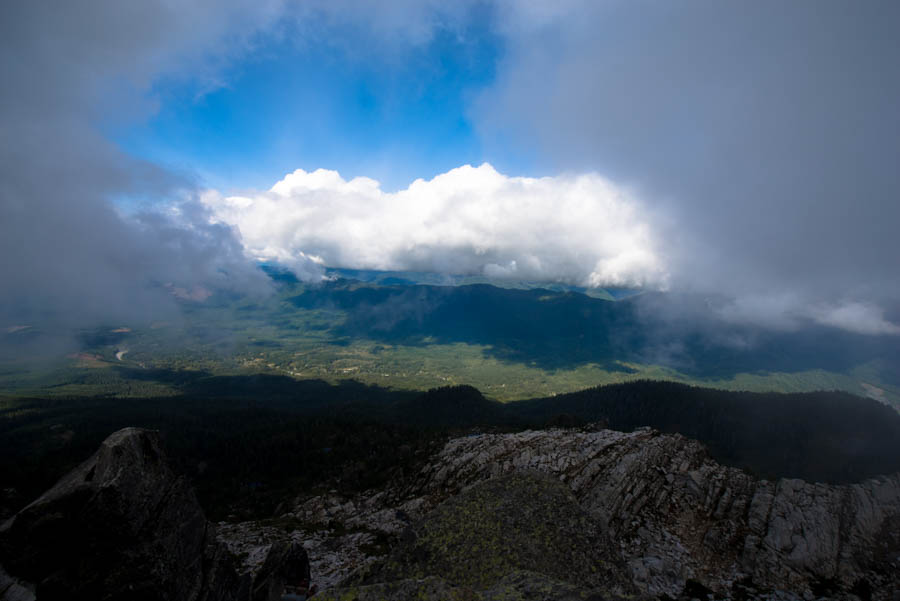
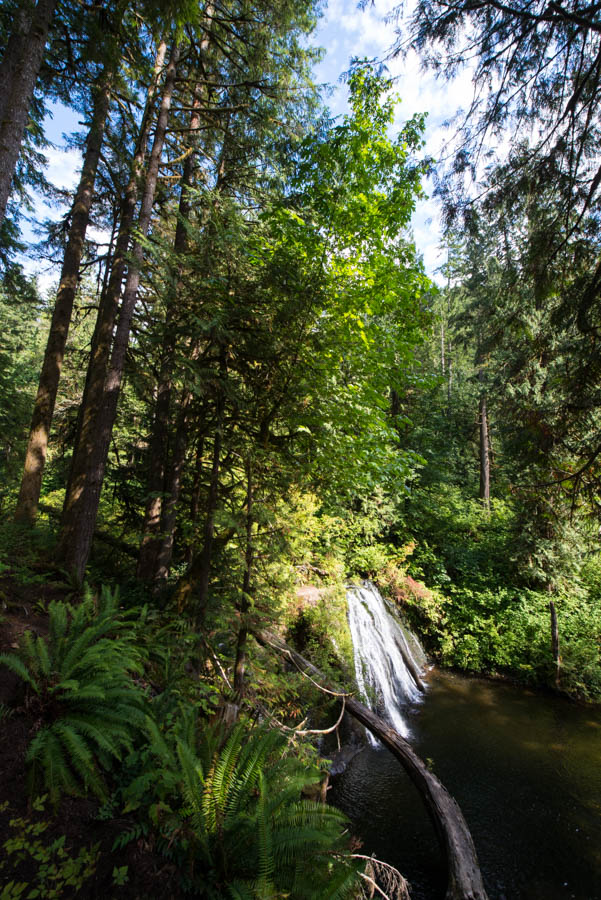
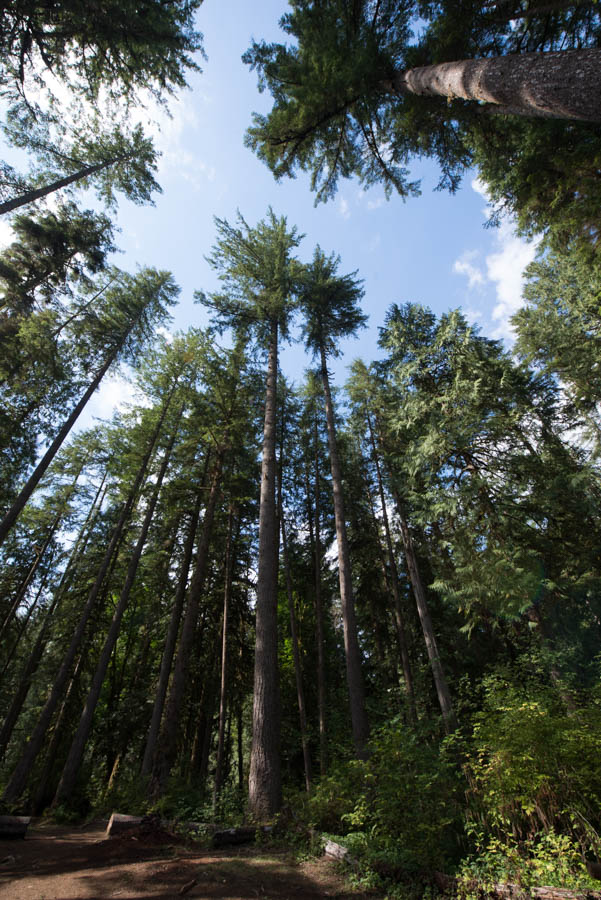
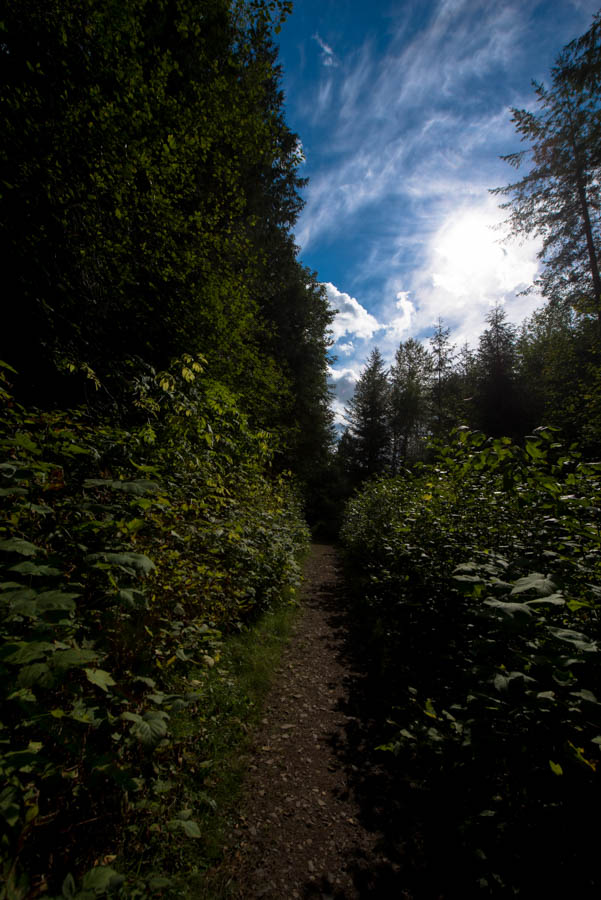
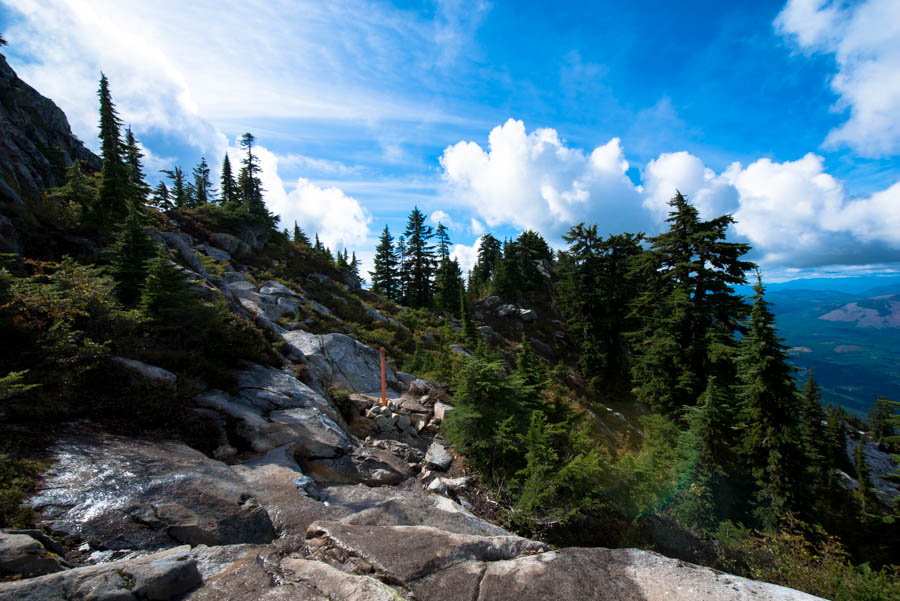
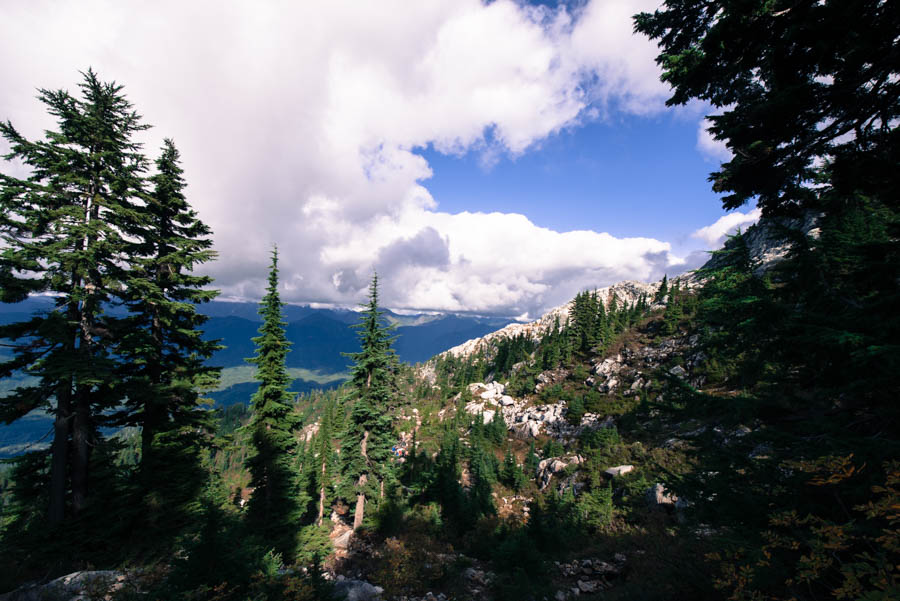
I’ve finally managed to get my photo editing situation under control. I’ve been on two hikes since I’ve been here. I climbed a mountain. Behold the absurd beauty.
Ok this is actually from my apartment deck. It’s not exactly nature, but it’s still pretty great.
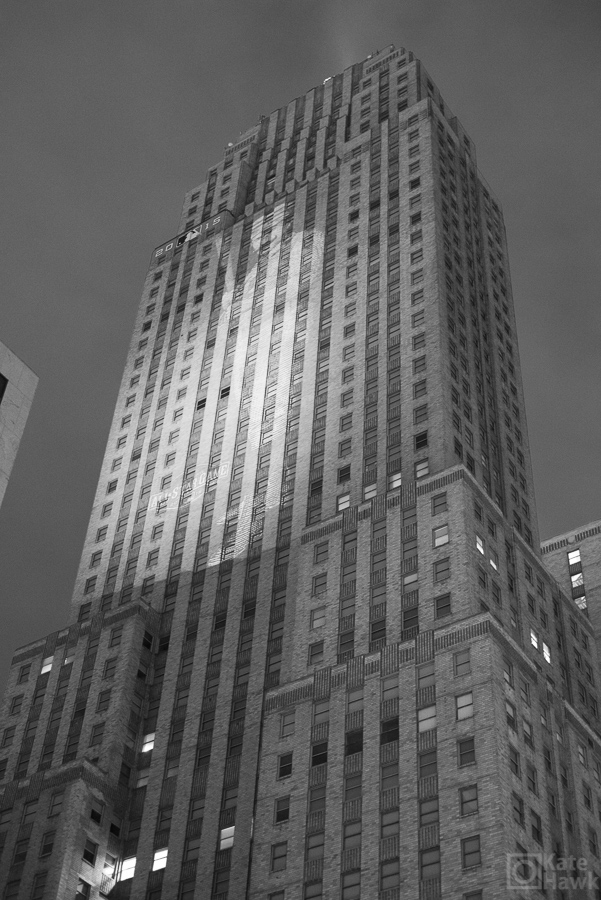
The ghost of Carew Tower, or something festive for The All-Star Game. You decide.
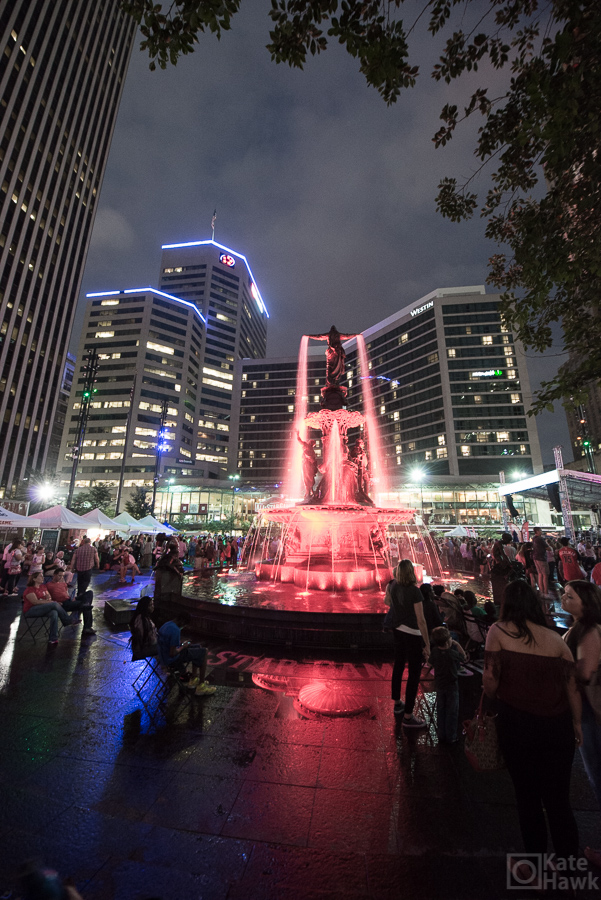
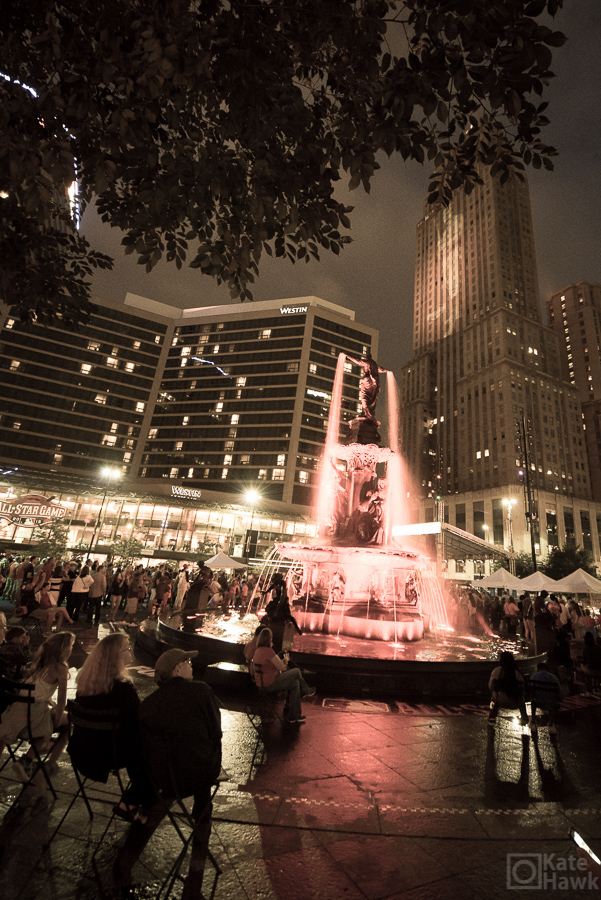
Saint Motel had a good audience in spite of the rain. Also, the fountain is red. Very red. Praise be to the gods of digital photography for post processing.
Still, praise be to the gods of digital photography for post processing.
Those are guys in old school uniforms repelling off a building. One might ask, what this has to do with baseball.
No comment needed.
Saint Motel put on a super fun show. There was much awkward dancing.
Saint Motel playing at Fountain Square.
At 6 AM, the paint was still wet. Guess what idiot rode her bike through one before she noticed they were wet? Yep.
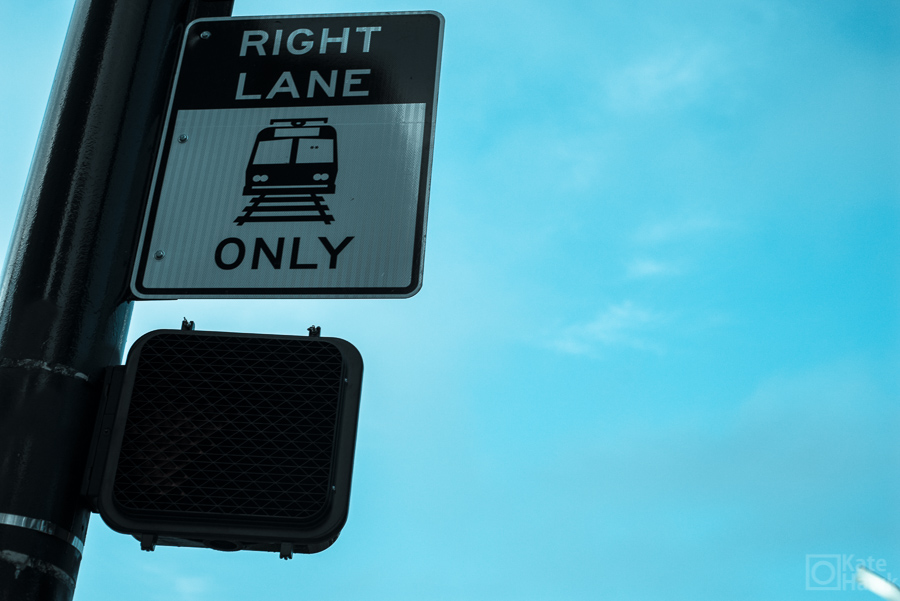
I appreciate the on sidewalk directions complete with arrows that stretch blocks.
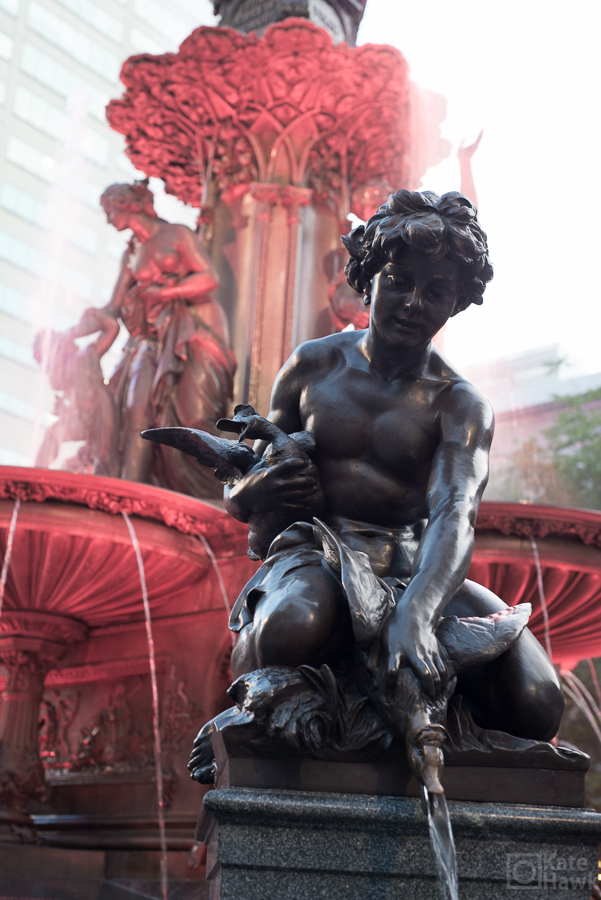
The red lights on the fountain were less tricky in daylight. That could be said of most things when photographing. Unless the object is ugly.
I always think this kid is strangling that duck. Pretty sure that’s not what the artist intended.










































































 Kate's Queen City Notes